
Battery & New Energy超声波焊接
Solid-state joining without melting the base metal - low resistance, no spatter, traceable part by part
Connections in traction batteries, charging infrastructure and power electronics are almost always high-current, heat-sensitive and intolerant of loose particles. Ultrasonic metal welding takes a different route: the horn shears the interface laterally, breaking up oxide films and contamination to expose clean metal, then pressure lets atoms diffuse across the interface. The base metal never melts - the weld zone is worked structure, not the cast structure left by fusion welding. No solder, flux or shielding gas is needed and there is no electrode wear; heat input is low enough to weld next to cells, chips and plastic parts. Copper-to-aluminium, which fusion welding fills with brittle intermetallics, becomes weldable.
Typical Welded Parts
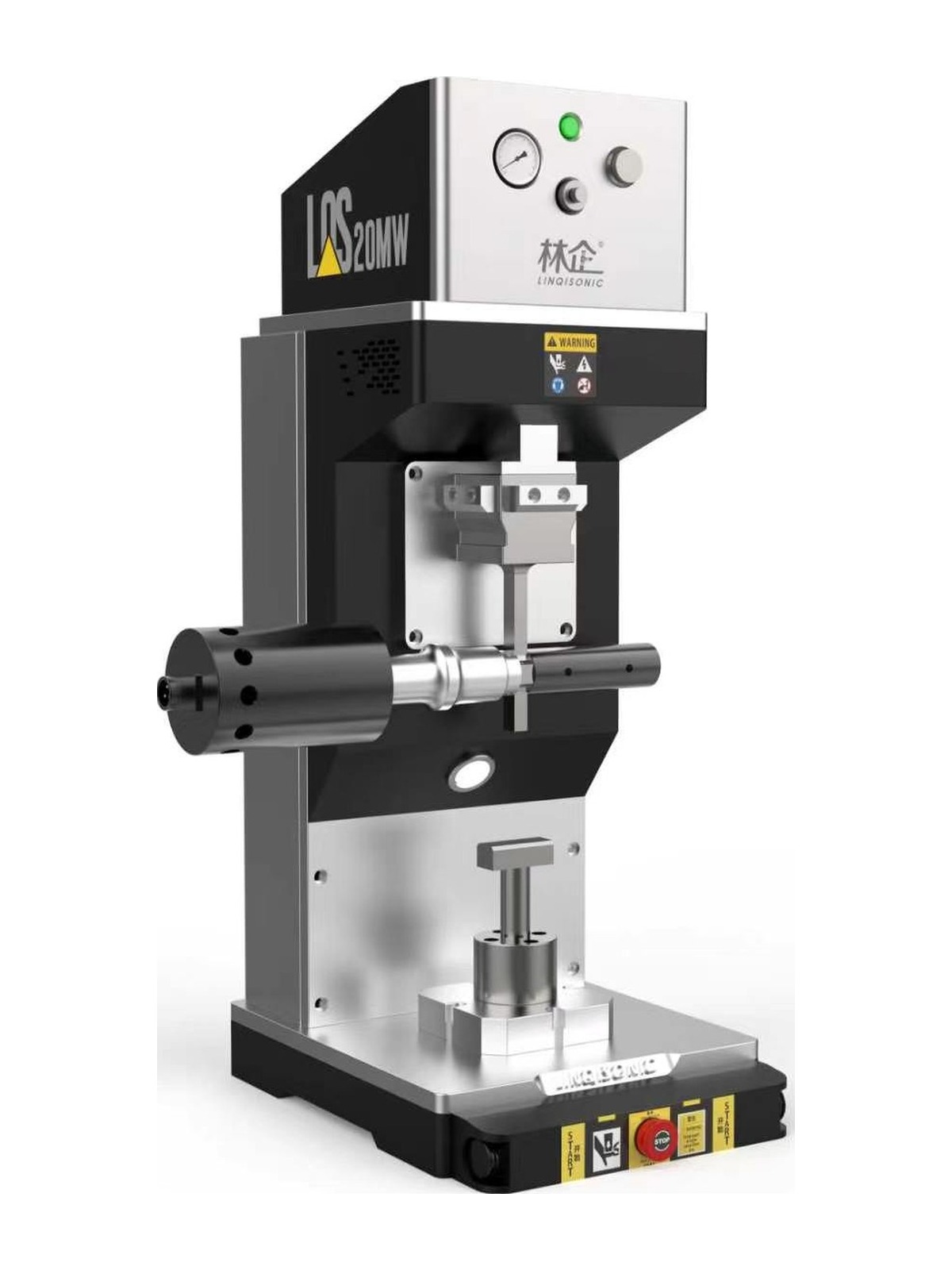
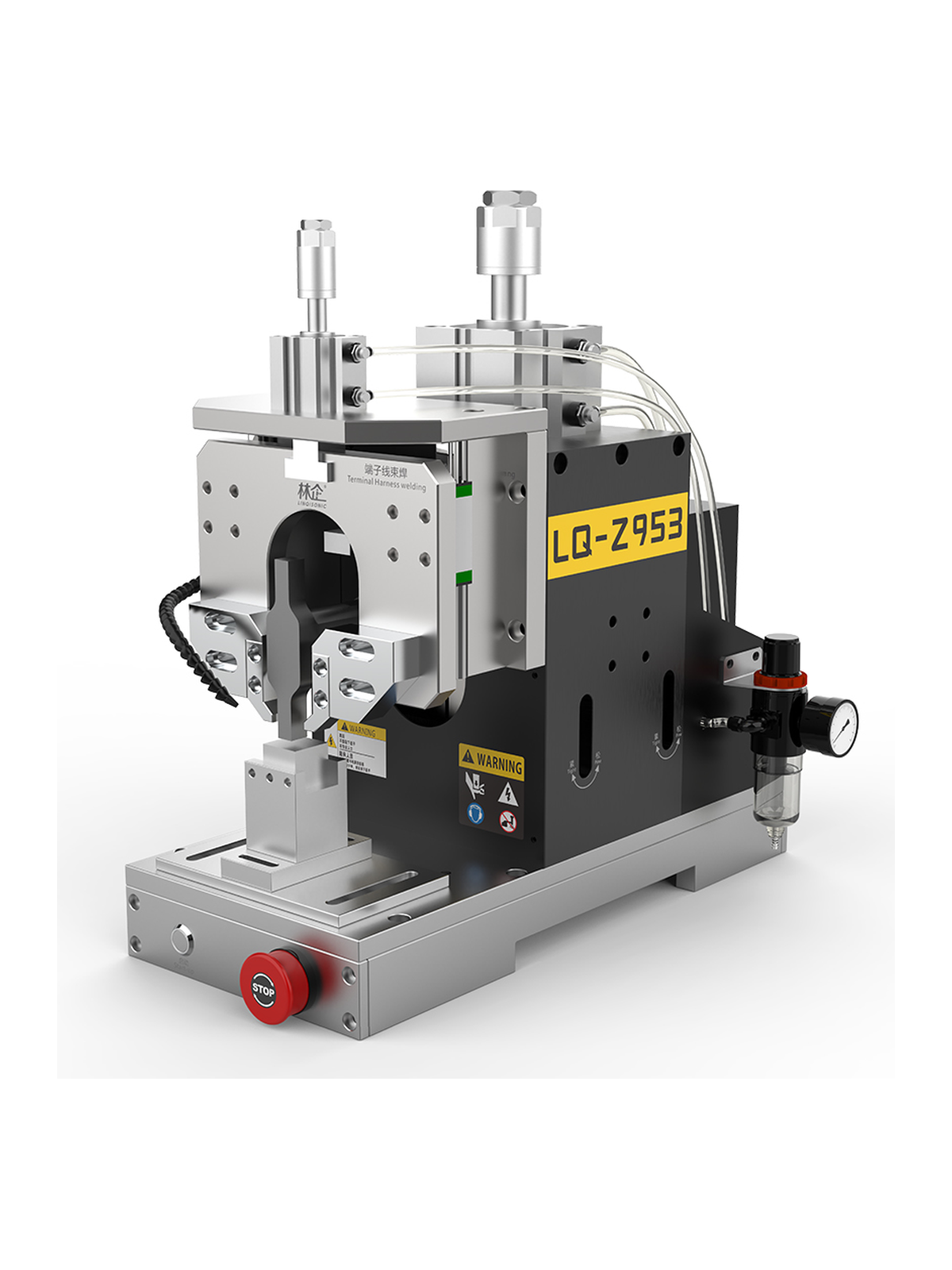
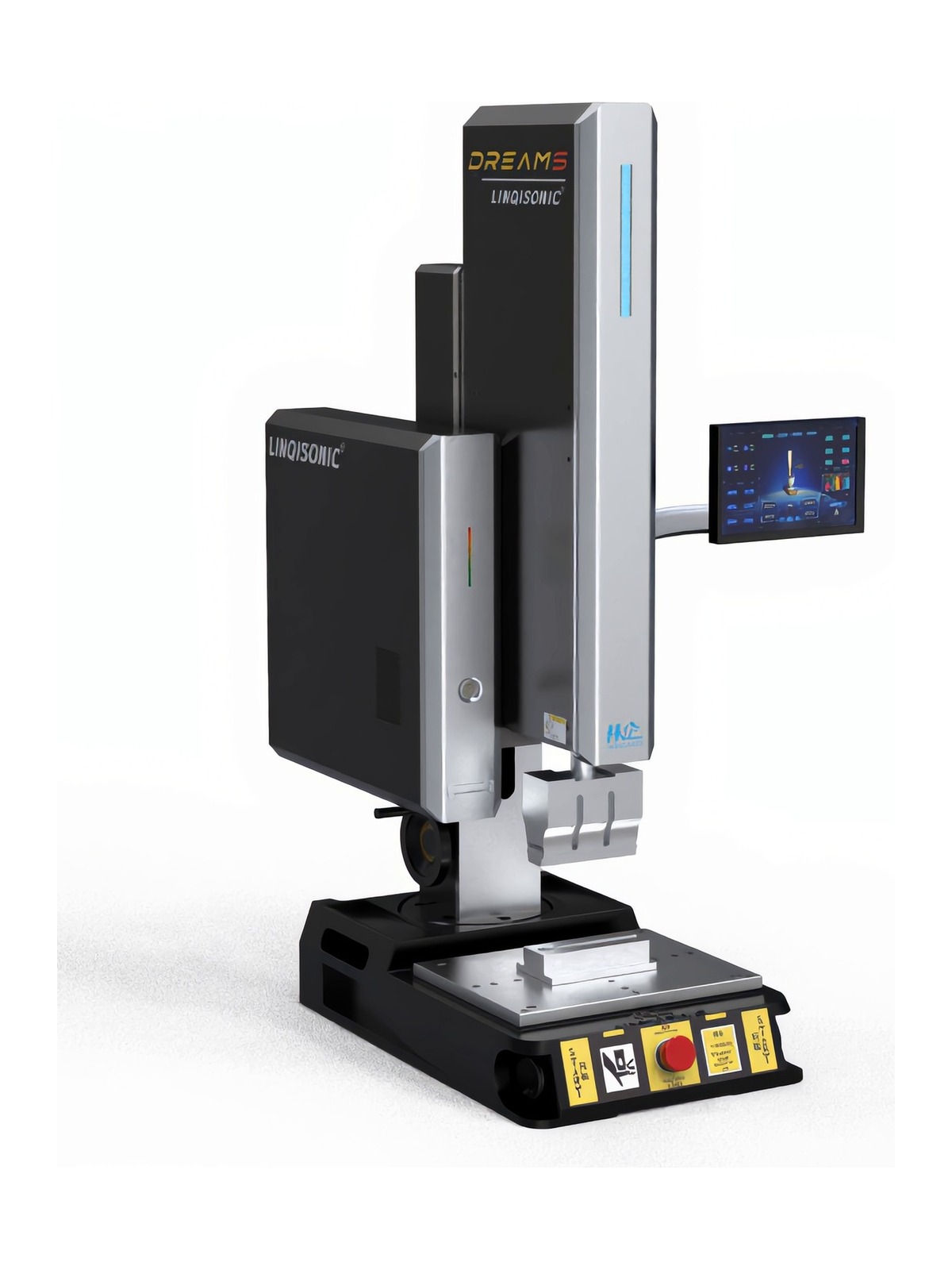
Common ultrasonic welding and cutting stations in this industry
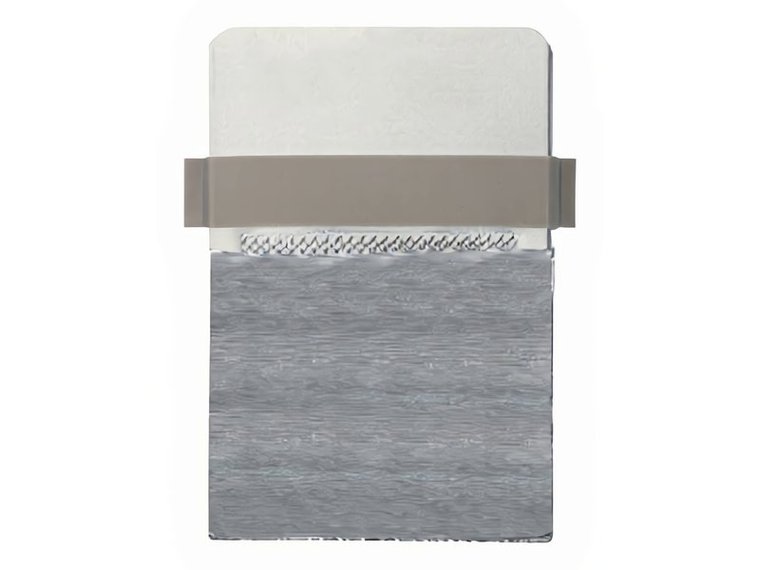
Cell tabs and multilayer foils
Dozens to hundreds of micron-thick copper and aluminium foils welded to the tab without burning through, every layer conducting
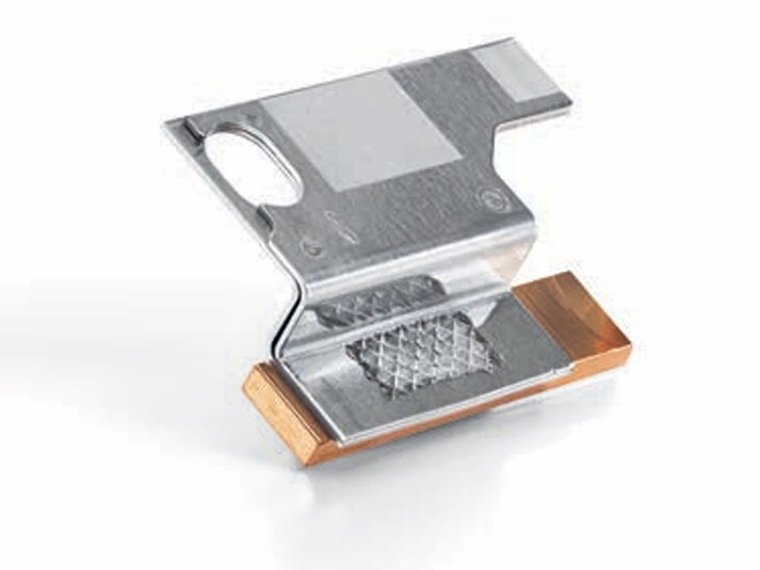
Module busbars and terminal posts
Large-section aluminium-to-copper laps needing low, stable contact resistance that holds under long-term vibration
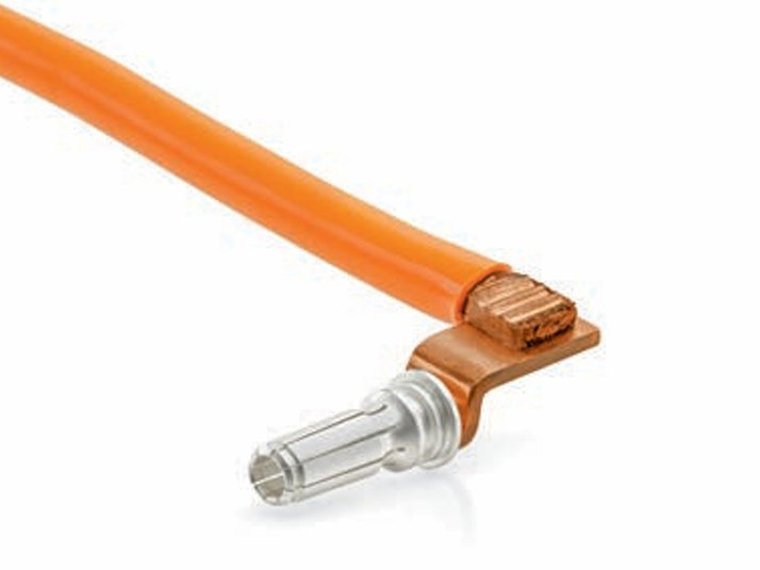
CCS integrated busbars
Dense connection points across the cell contacting system, each logged, with instant alarm on a single bad point
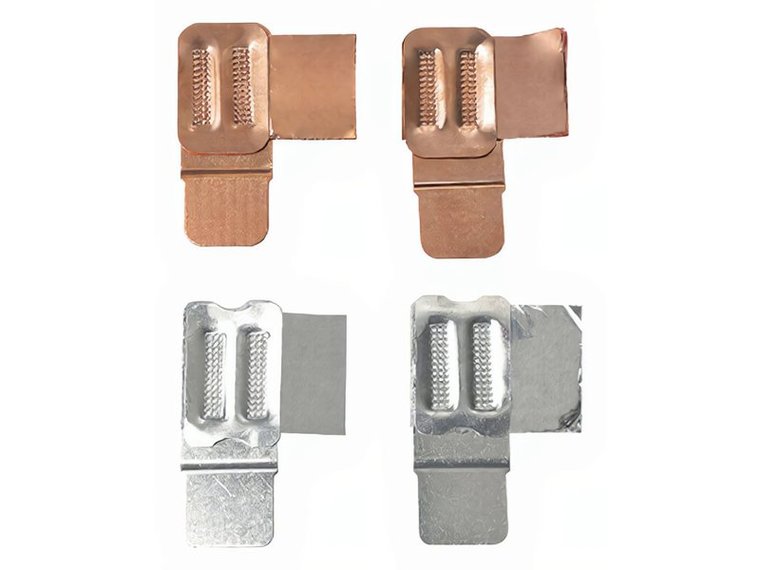
Copper-to-aluminium joints
Solid-state bonding avoids the thick brittle intermetallic layer fusion welding produces - a pairing fusion cannot do well
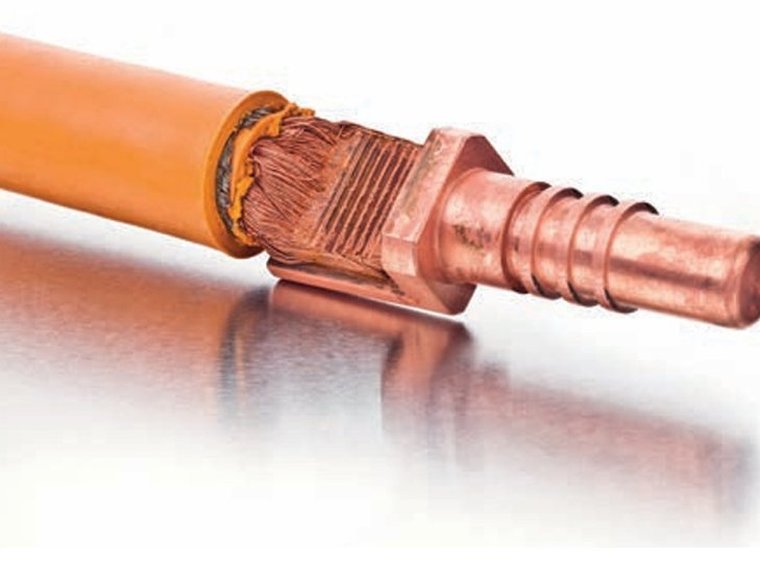
Charging gun and inlet terminals
Large-section high-current terminals: lateral friction breaks the oxide, then the strands compact into a solid conductor
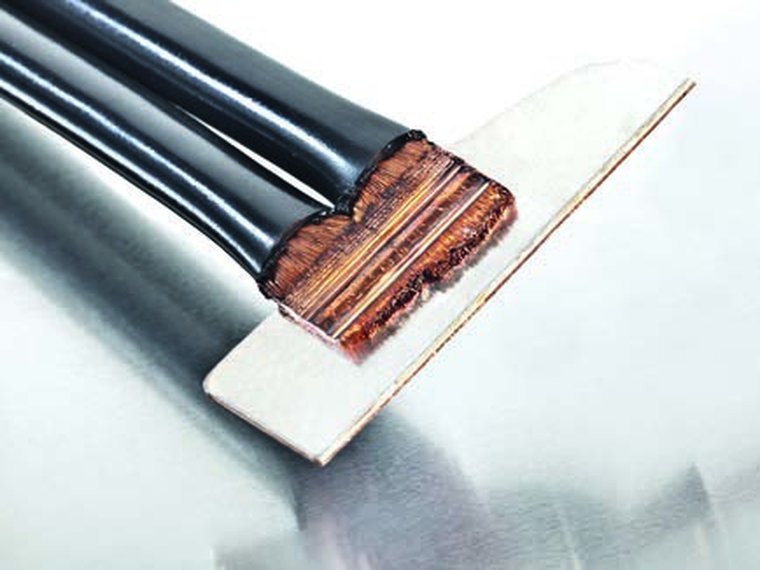
Fine strands and silver-plated terminals
Strands first bond into a solid body, then to the terminal, with no loss of conductivity
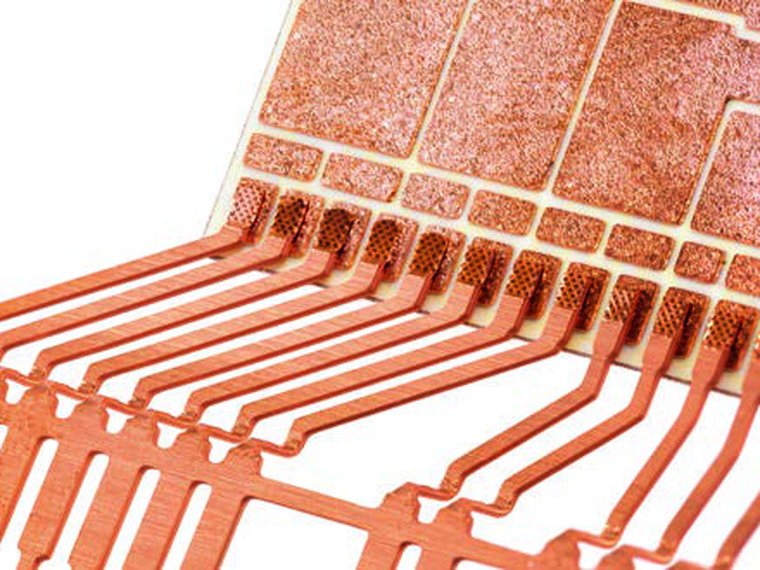
IGBT leadframes on ceramic substrates
Power-module leadframes welded to DBC substrate, where heat input must stay low enough to spare the die
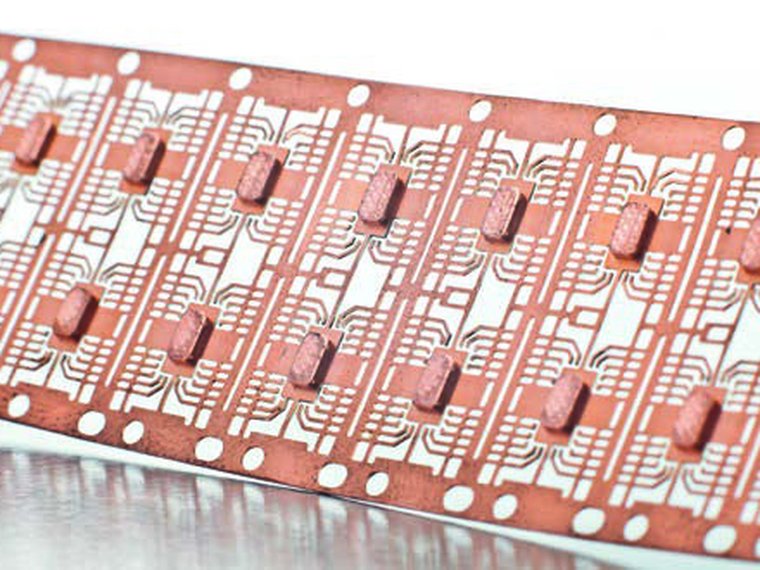
Stamped strip and contact posts
Contact posts welded on continuous strip - fast cycle, high consistency, suited to in-line integration
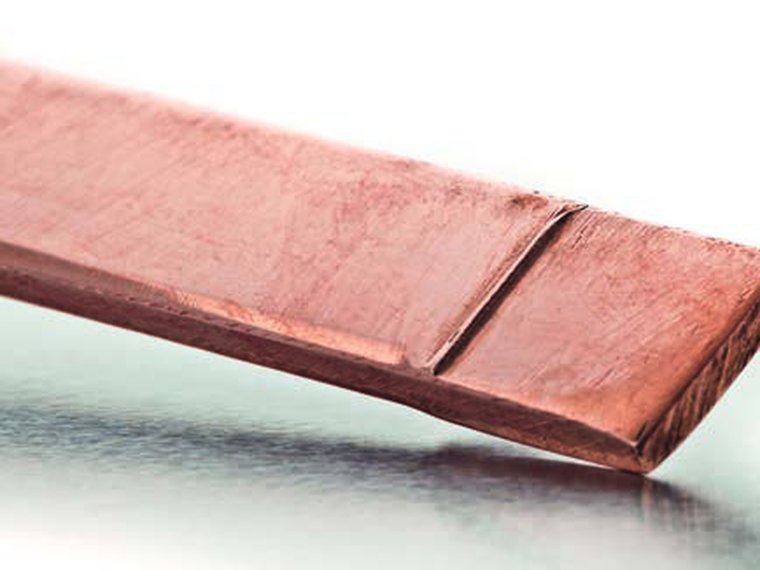
Flush-welded flat conductors
Flat copper bar ends lapped flush so thickness does not grow, keeping downstream assembly simple
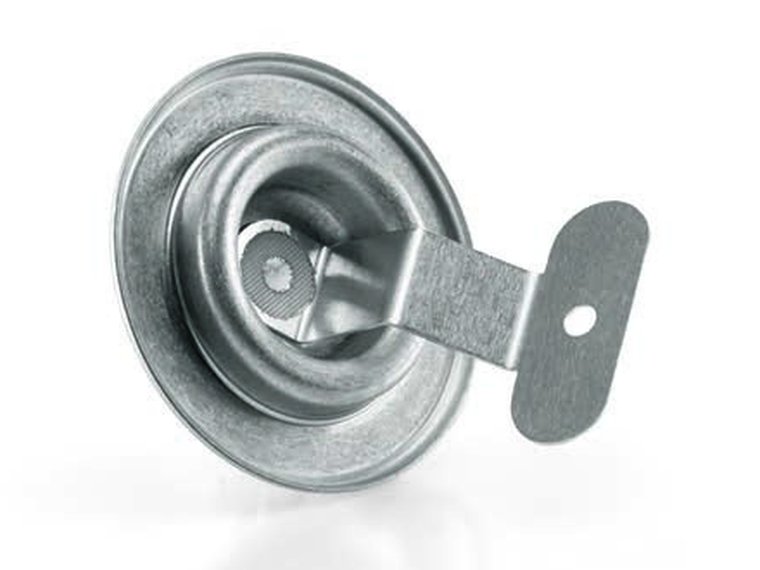
Capacitor electrical connections
Connections on thin-walled capacitor cans - heat sensitive, so only a low heat-input process will do
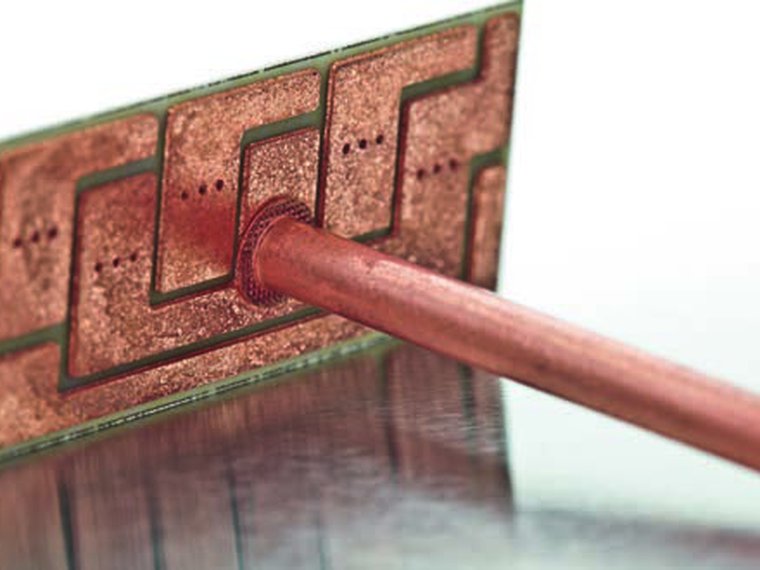
Copper pins on ceramic PCBs
Pins welded to the copper layer of a brittle ceramic substrate, needing fine control of both force and amplitude
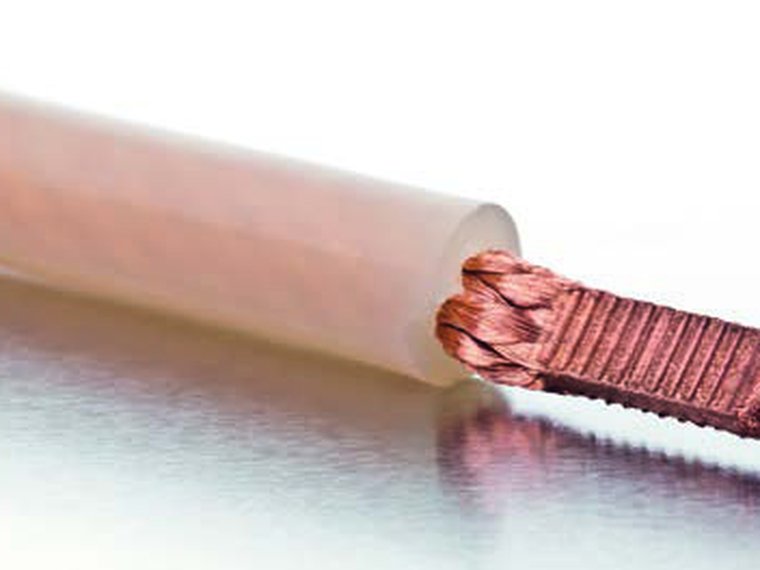
Compacting flexible cable ends
Multi-strand flexible cable ends compacted into a solid block, ready for crimping or bolting
Why LINQISONIC
From joint design to line integration, we solve one thing: welds that hold and stay consistent
A cold process - the base metal never melts
Weld temperature reaches only one third to one half of the base metal's absolute melting point in Kelvin, so the metal stays solid. Heat input is low enough to weld beside cells, dies and plastic parts without scorching neighbours.
Low, stable contact resistance
Once lateral friction shears the oxide away, the metals bond directly, so the contact area is real metal-to-metal rather than pressure-maintained. Temperature rise along a high-current path is therefore lower and more predictable.
Copper to aluminium works
Fusion welding copper to aluminium fills the joint with brittle intermetallics that crack under vibration. Solid-state joining keeps the reaction layer very thin, which makes the pairing practical - the single most useful point in new energy.
No spatter, no loose particles
Nothing melts, so there is no spatter or droplets, and no particles from electrode wear. Metal debris inside a cell or module is the last thing anyone wants, which is what makes this process usable on batteries at all.
No consumables, traceable per part
No solder, flux or shielding gas, and no electrodes to dress. Energy, time and collapse are logged for every point and can feed MES for CpK and 100% process monitoring.
Weld trials before commitment
Send us the part or the drawing. We weld samples first and run pull and resistance tests, then fix the process window, horn, anvil and machine configuration.
超声波金属焊接 · 新能源金属连接技术
动力电池极耳与箔材、CCS 电芯接触系统、充电枪铜端子、线束拼接与端接、IGBT 功率端子。含固相连接原理图解与频率选型。
- 7 页完整版,含焊接原理图解
- 铜铝异种连接与金属间化合物说明
- 工作频率 20 / 30 / 35 / 40 kHz 选型
PDF · 0.6 MB · 7P
Send us your part
Tell us the material, dimensions and cycle time. We reply with joint design, machine and fixture suggestions.
Direct contact