
Electronics & Appliances超声波焊接
Tight seals, precise dimensions, clean surfaces — ultrasonic welding answers all three at once
Quality standards for electronic parts are tightening on three fronts at the same time: sealing, dimensional accuracy and cosmetic finish. Adhesives need curing time and bring squeeze-out and odour; screws take space and generate metal chips; snap fits hold by compression rather than a permanent bond. Ultrasonic welding adds no solder, adhesive or fastener, forms a molecular bond in seconds, and records energy, time and collapse for every part. It covers enclosures, cavities, sensors, switches, fluid channels and insert embedding. Cooling fans, filter elements, appliance control panels and refrigerant tube sealing run on the same equipment. For products that must seal, look good, and protect the electronics inside, few processes cover all three.
Typical Welded Parts
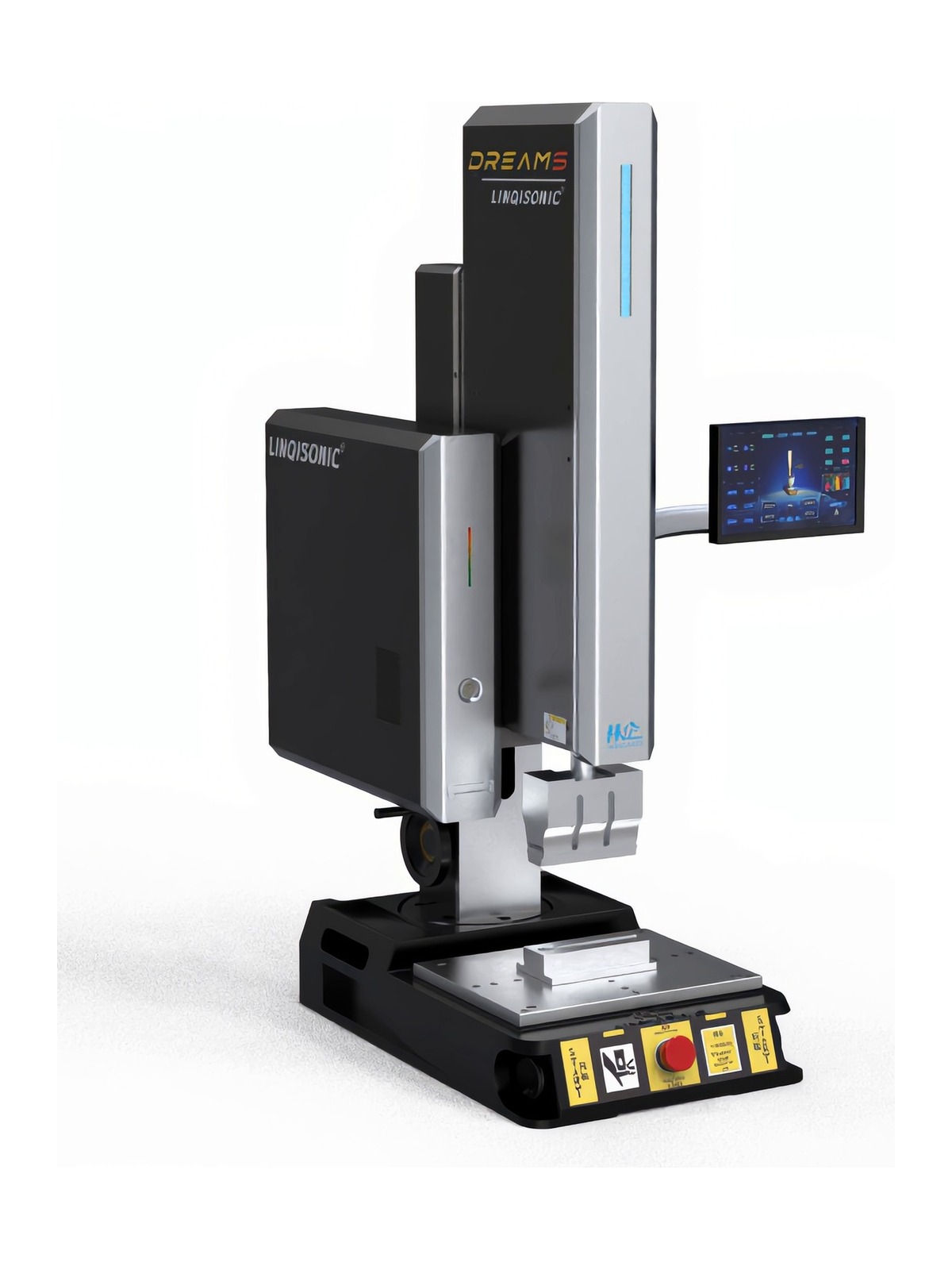
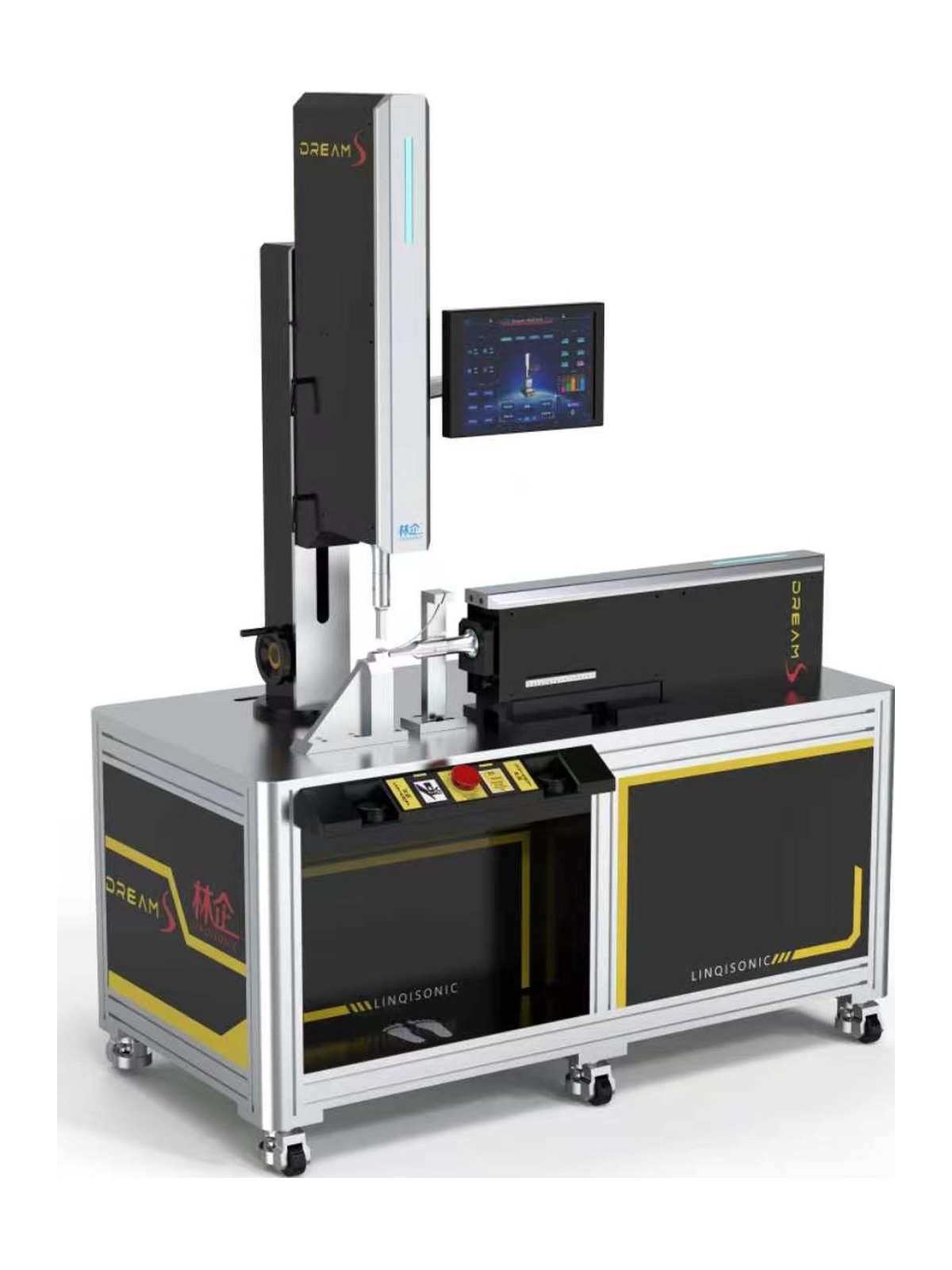
Common ultrasonic welding and cutting stations in this industry
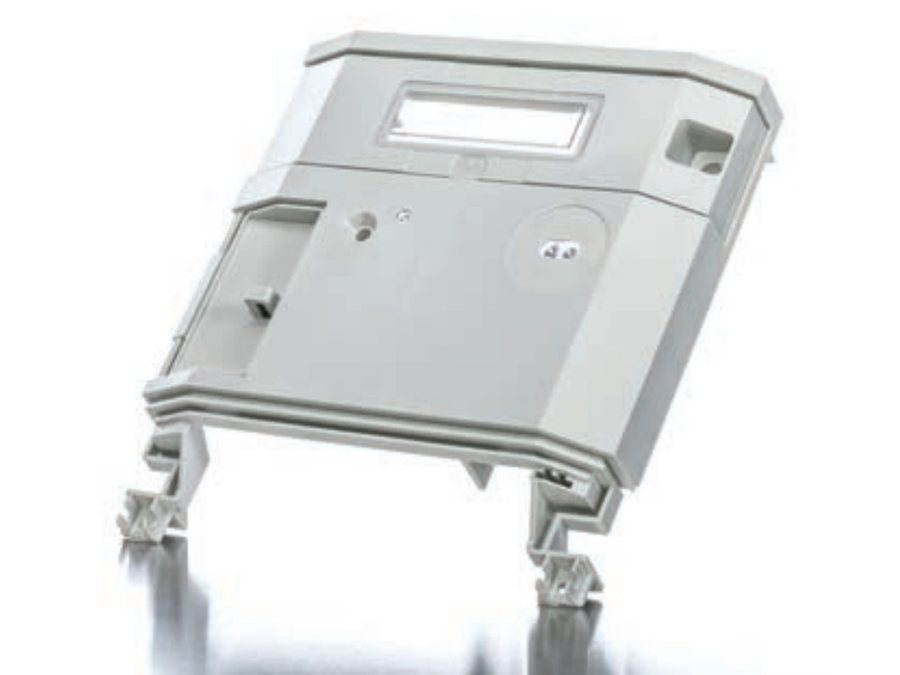
Electronic enclosures
Strength and tightness, absolute dimensional accuracy, and a scratch-free surface with a clean, well-defined weld line
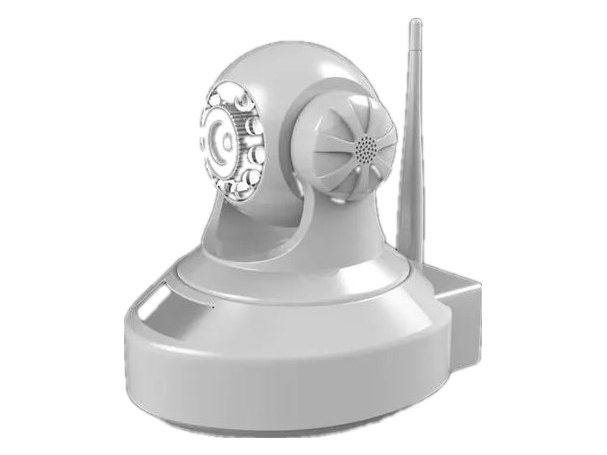
Sensor and camera housings
The weld must not disturb the PCB or optics inside — high frequency with low amplitude keeps the vibration load minimal
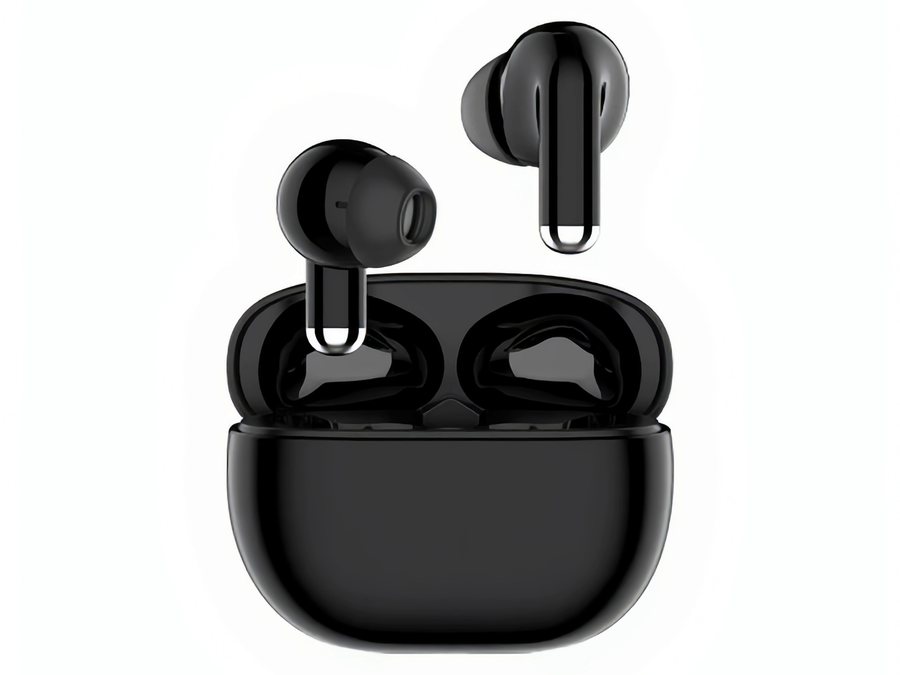
TWS earbud shells and cases
Witness-mark-free A surfaces and a watertight seal at the same time, achieved through contoured horns, near-field welding and flash traps
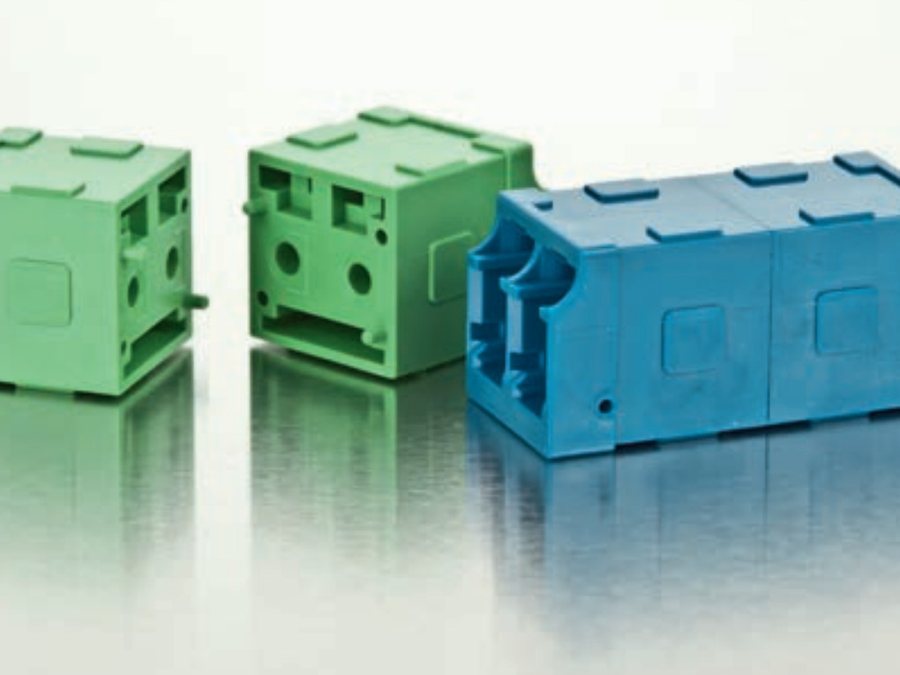
Connector and terminal housings
No flash inside the contact cavity; dimensional tolerance sets insertion force and contact reliability
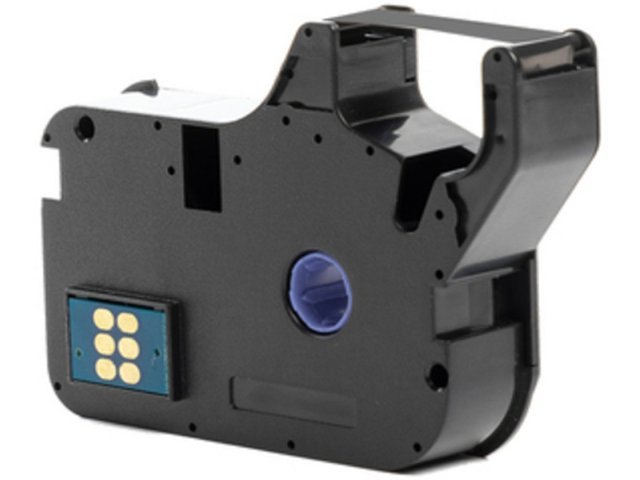
Printer cartridges and consumable chambers
The ink chamber must stay hermetic for the product life, with no internal flash breaking loose to clog the head - sealed with a shear joint
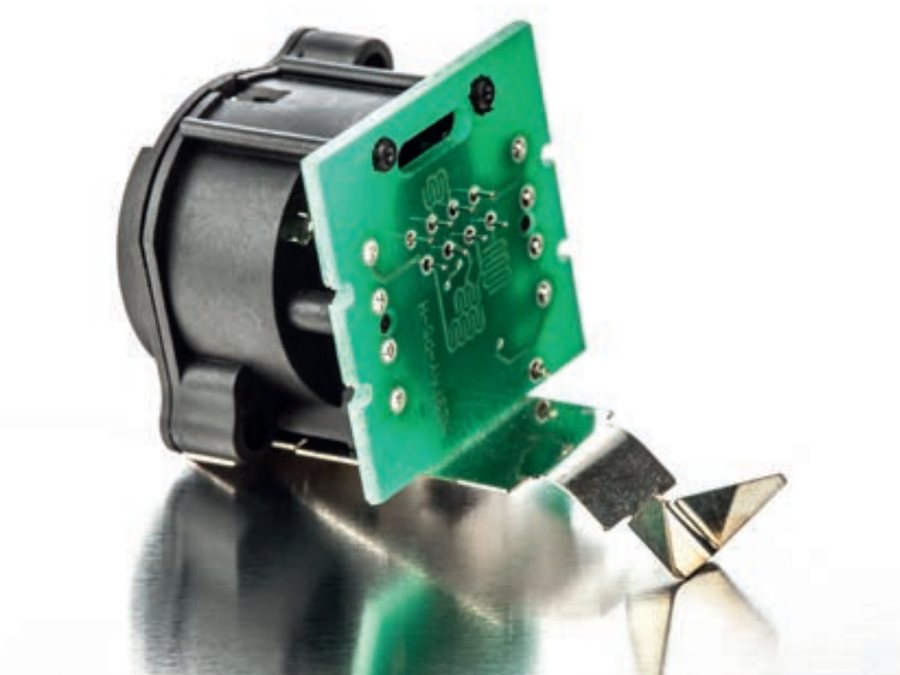
PCB staking and insert embedding
Metal joins plastic with no pre-heating and no metal chips, close to components already on the board
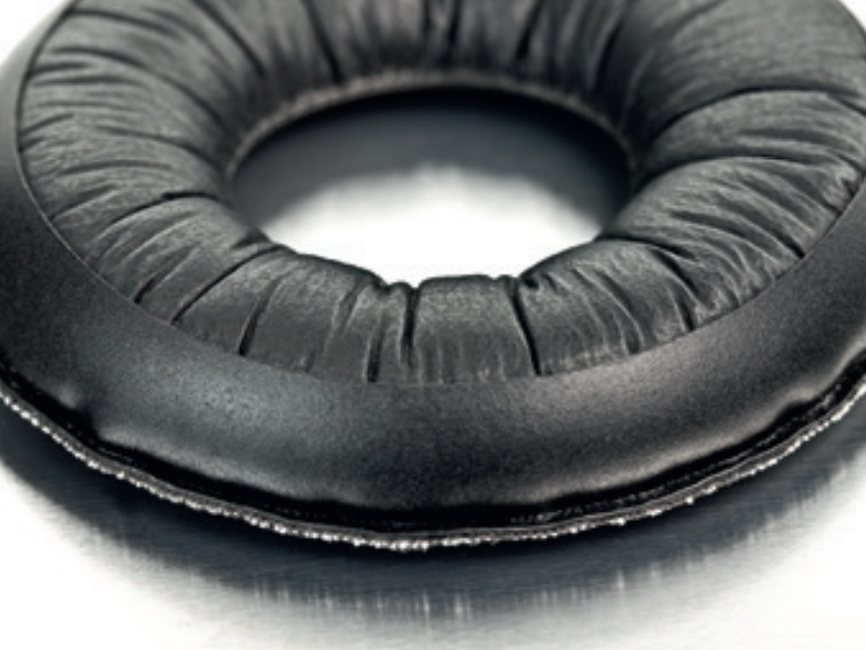
Headphone ear cushions
Ultrasonic cutting seals the edge as it cuts - no fraying, concentric rings, formed in one pass
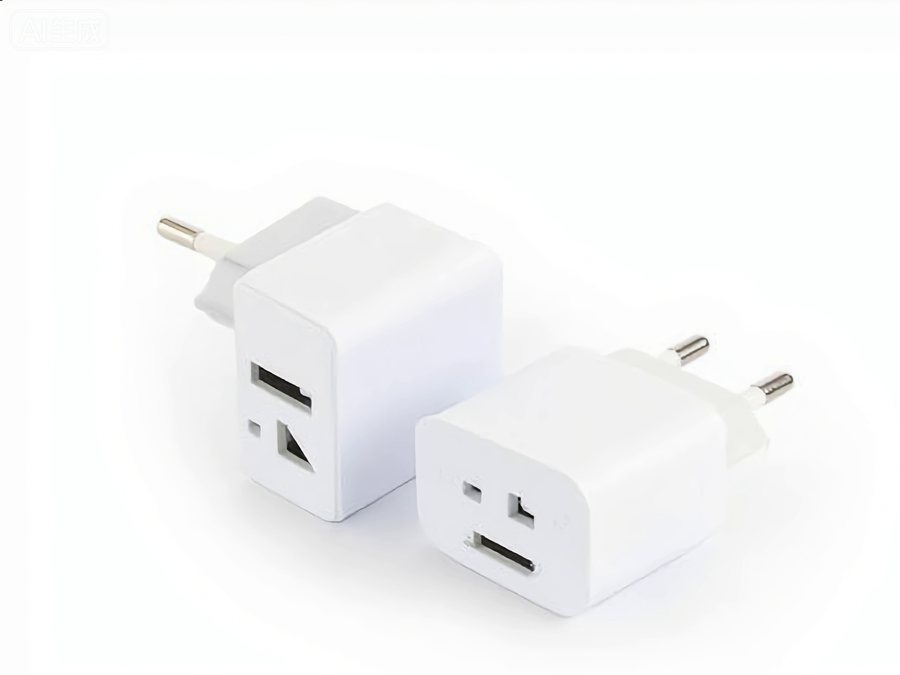
Power adapter and charger housings
Survives drops without splitting, no whitening on show faces - a shear joint for strength, reduced amplitude for appearance
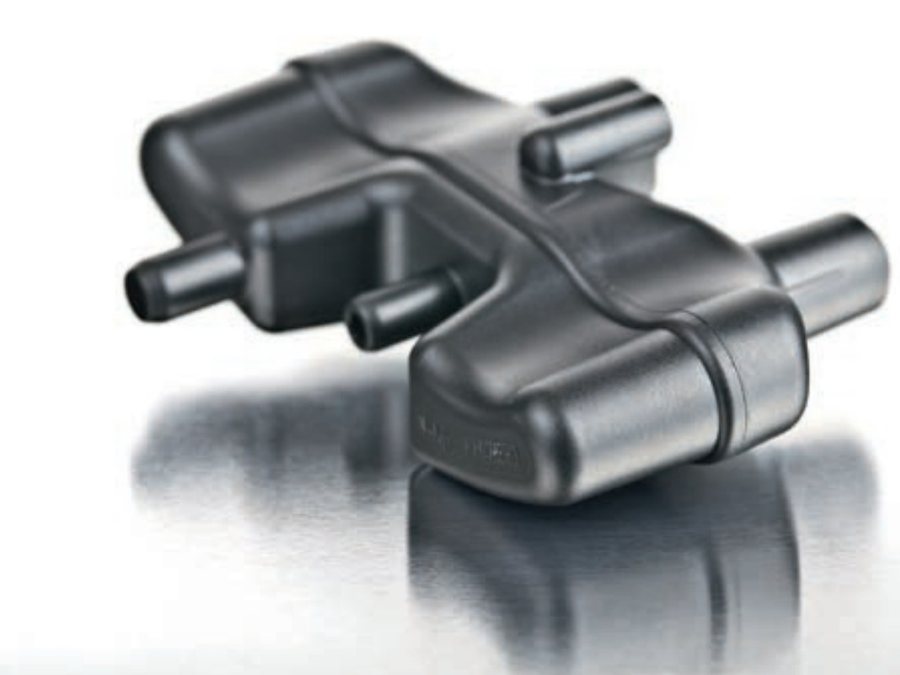
Coffee machine spouts and manifolds
Several ports sealed at once against repeated hot-water cycling, using a ring shear joint with a contoured fixture
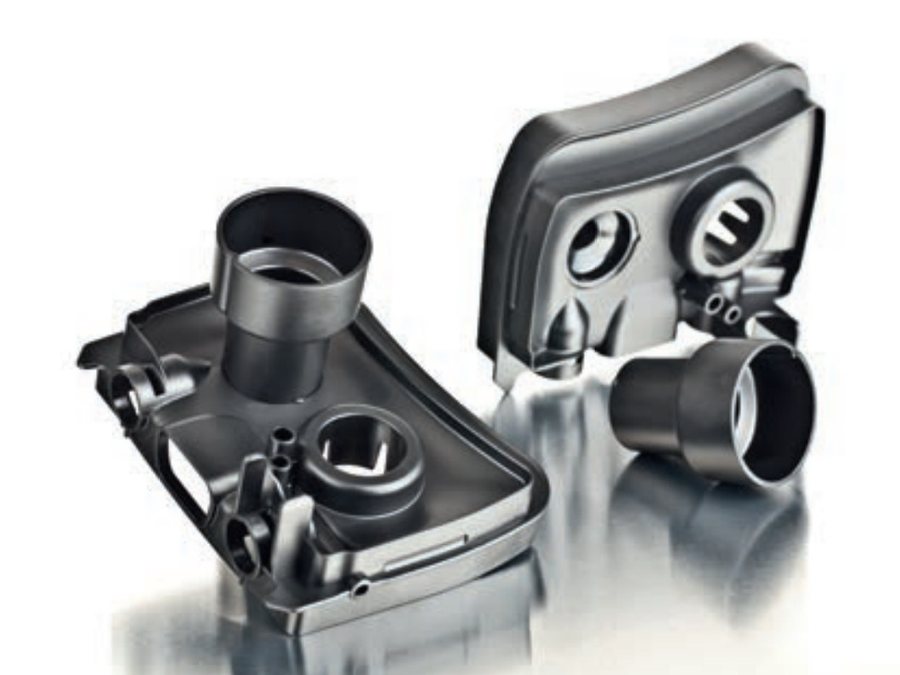
Appliance water channels
A pressure-tight weld all round, with no flash breaking loose into the fluid path - typical for coffee and water-treatment appliances
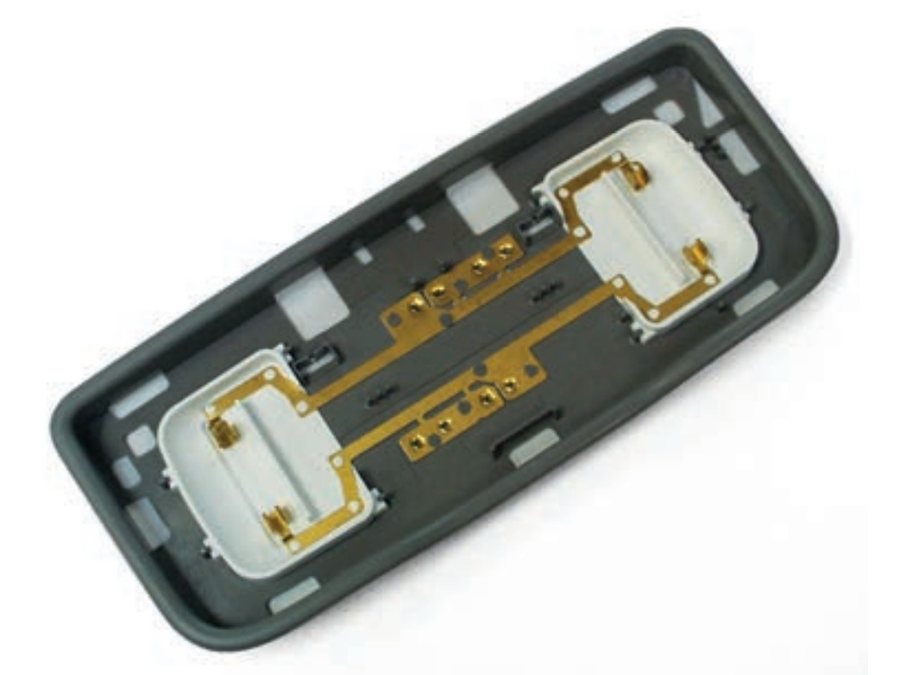
Metal conductors embedded in plastic
Stamped conductor tracks embedded straight into the moulding - no pre-heating, no shifting or lifting, no scorching
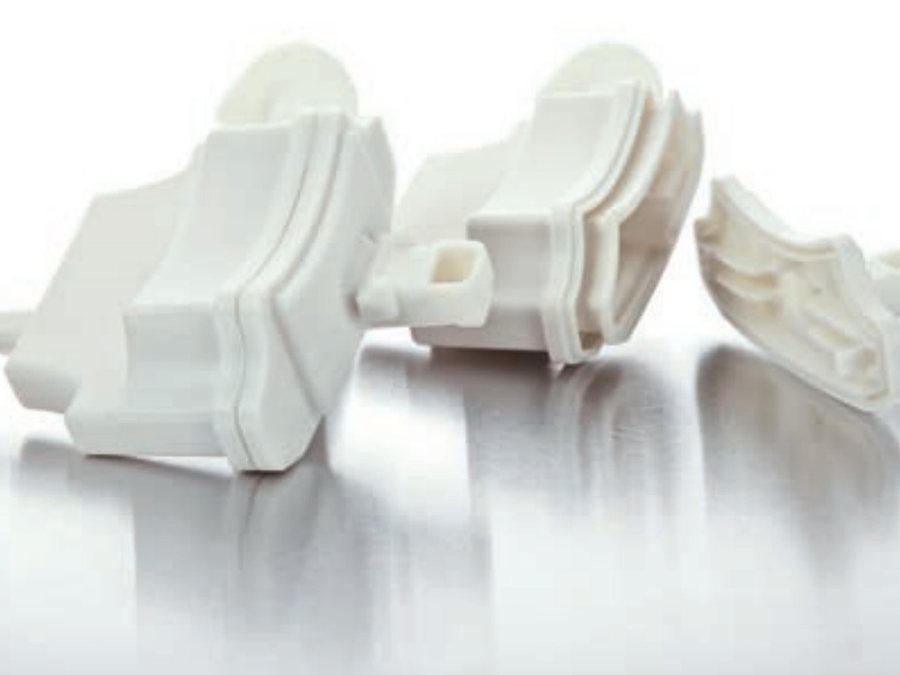
Refrigerator dampers and mechanisms
The weld must not turn brittle at low temperature and the fit clearance must stay stable - a shear joint at low amplitude keeps residual stress down
Why LINQISONIC
From joint design to line integration, we solve one thing: welds that hold and stay consistent
Sealing: the joint design sets the ceiling
A shear joint forms a continuous fusion band along the vertical wall and is the first choice for hermetic and watertight seals; a tongue-and-groove joint keeps flash off both faces where sealing meets appearance. Weld seals suitable for IPX7/IPX8 structures — the final rating must be validated on the finished product.
Appearance: where witness marks come from
Marks come from a horn face that does not follow the part contour, or from a horn edge left too sharp. The answers are contoured, generously radiused and polished horns, near-field welding within 6mm of the joint, and flash traps designed into the joint.
Low heat input, electronics untouched
Heat stays at the joint interface for milliseconds, so welding happens next to PCBs, sensors and wiring. Small precision parts run at 30/35/40 kHz with low amplitude to cut the vibration reaching the lower component.
Dimensional control and process data
Servo drive with four weld modes: absolute distance for height on visible parts, energy for strength on sealed parts. Energy, time and collapse are logged per part and can feed MES for CpK and 100% process monitoring.
No adhesive, no screws, no consumables
No solder, flux, adhesive or fastener — no curing wait, no squeeze-out or odour, no metal chips. Rework and recycling stay simple because the material stays single-composition.
Weld trials before commitment
Send us the part or the drawing. We weld samples first and run pull and leak tests, then fix the joint design, horn, fixture and machine configuration.
电子电器超声波焊接应用技术
导能筋、剪切接头、舌槽三种基本接头形式的推荐尺寸与剖面图,24 种工程塑料的可焊性矩阵,以及消费电子、家电与电子元件共 12 类典型零件的要求与做法。
- 7 页完整版,含接头设计尺寸图解
- 24 × 24 材料可焊性矩阵(含 PEEK、PPS、PEI、PSU)
- 12 类典型零件:要求与对应做法
PDF · 0.8 MB · 7P
Send us your part
Tell us the material, dimensions and cycle time. We reply with joint design, machine and fixture suggestions.
Direct contact