
Ultrasonic Welding for Nonwovens & Textiles
Cut and seal in one pass - no fraying, no thread
Ultrasonic processing of nonwovens and technical textiles rests on one idea: a wheel or die cuts and seals in a single action, so the cut edge fuses as it is made and locks itself against fraying, with no needles, thread or sewing consumables. The tooling itself never heats, so it starts and stops instantly and will not bake material onto the blade. A rotating wheel handles continuous web; a die handles shaped contours; the seal pattern comes from the anvil profile. One prerequisite has to be said plainly: the material needs enough thermoplastic content (PP, PE, PET, PA). Pure cotton or linen will not bond, and for blends the synthetic ratio is the first thing that decides feasibility - it has to be confirmed by trial.
Typical Welded Parts
Common ultrasonic welding and cutting stations in this industry
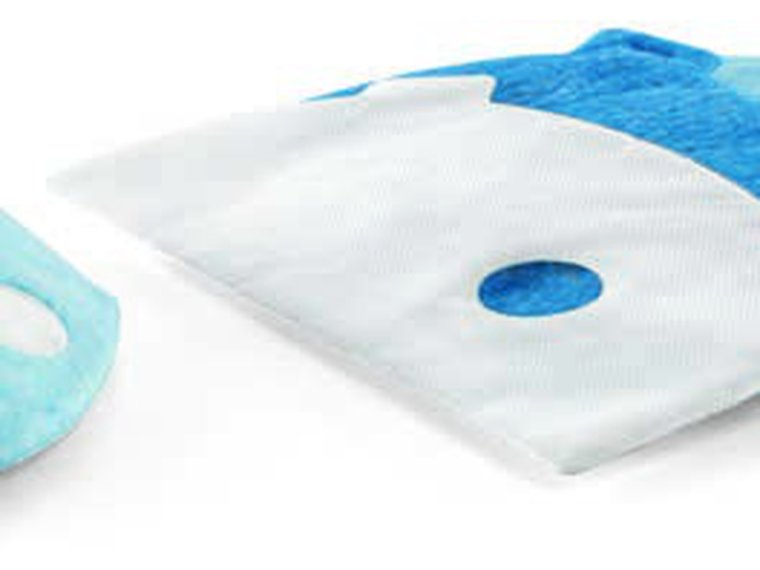
Face mask body cutting and sealing
Multi-layer filter media cut and edge-sealed in one operation, leaving a clean, fray-free edge; hard tools can be reground
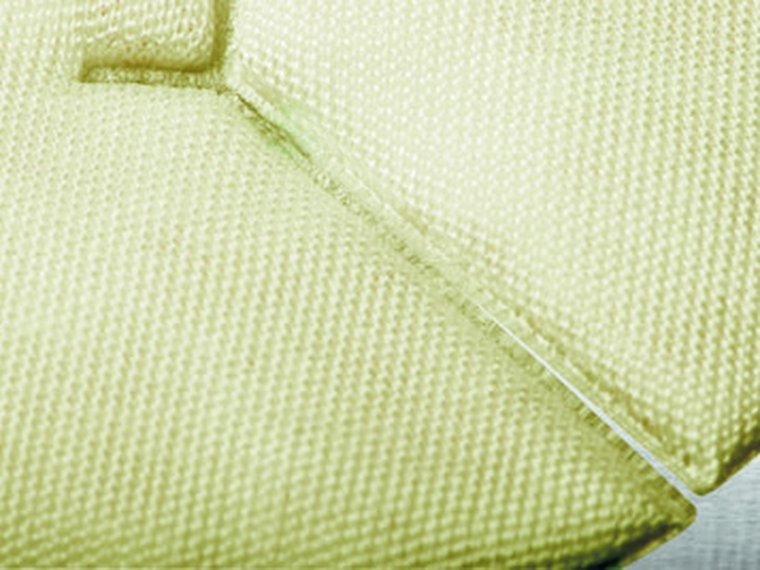
Wound dressings and bandage edges
The edge must be perfectly sealed so no fibres enter the wound - cutting and edge welding happen together
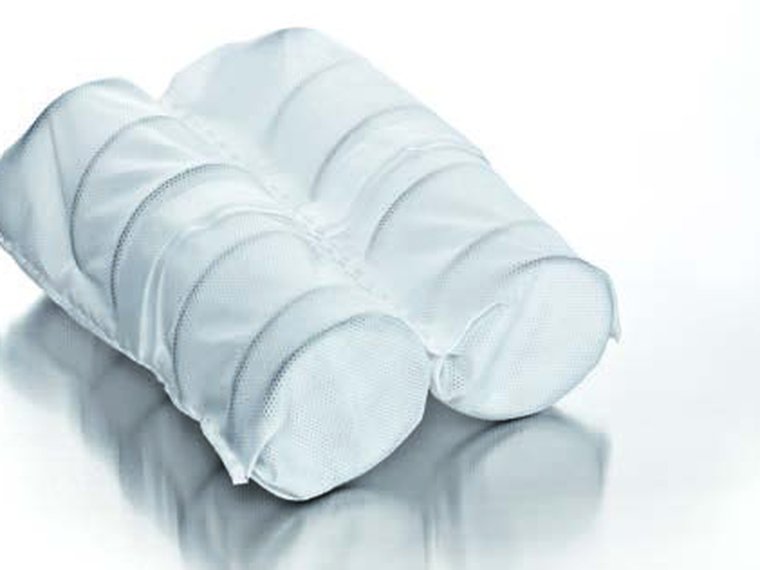
Pocket spring units for mattresses
Springs sealed one by one into nonwoven pockets with continuous welds between them - fast cycle, welds that must not open
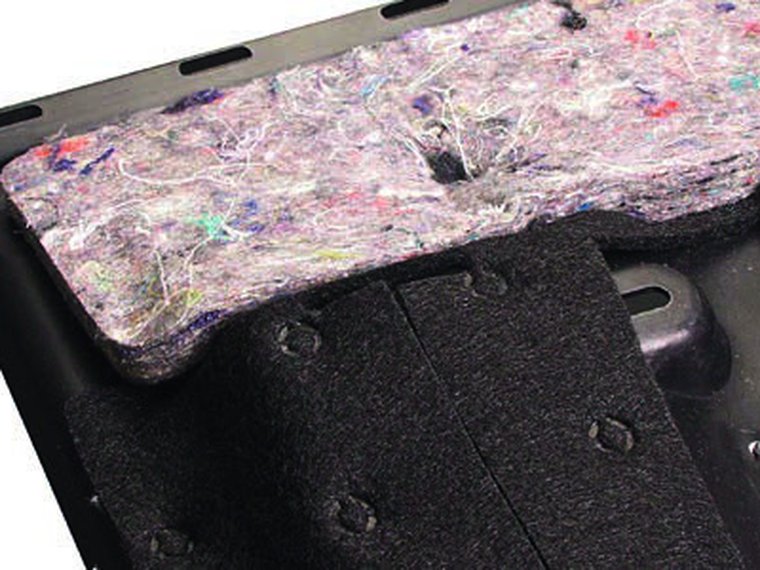
Automotive insulation and acoustic mats
Lofty acoustic material welded to its carrier without crushing it and losing absorption - multiple heads spot welding at once
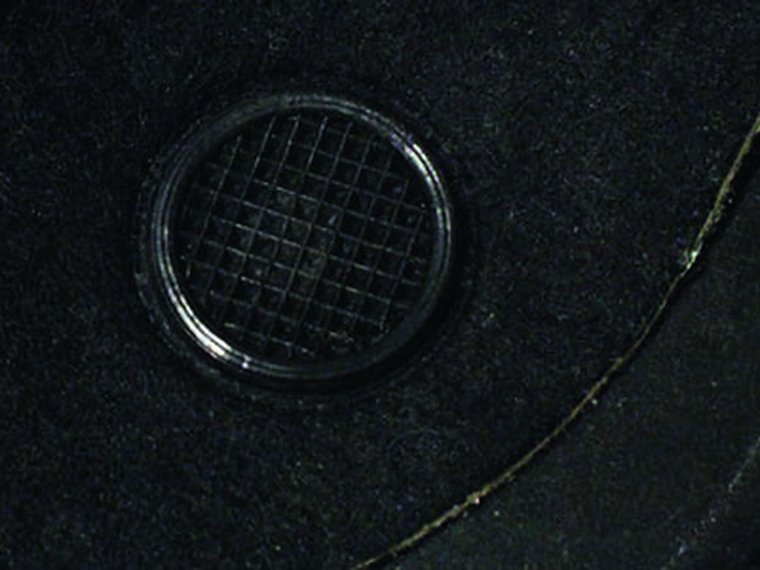
Carpets and floor mats
Face and backing spot welded together - strong enough to hold, soft enough not to be felt underfoot, with edges sealed in the same pass
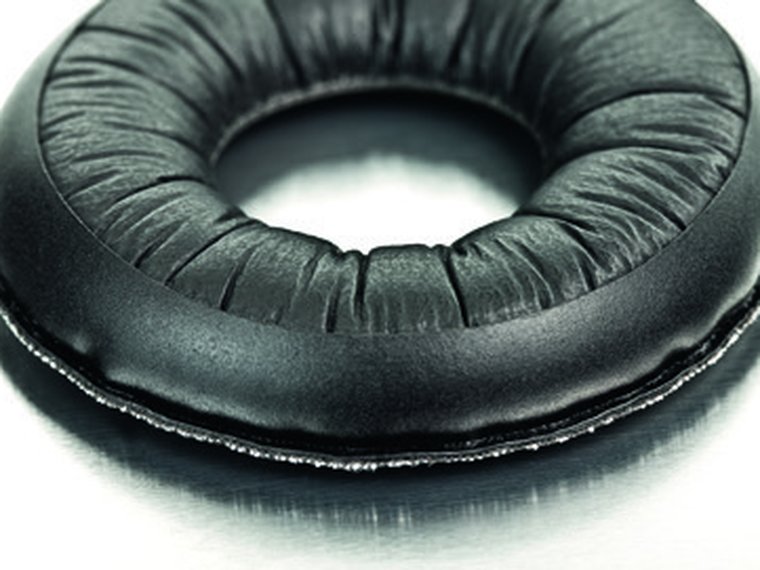
Headphone ear cushions
Ring cutting and sealing of foam and cover material, with a smooth curve that sits comfortably against the ear
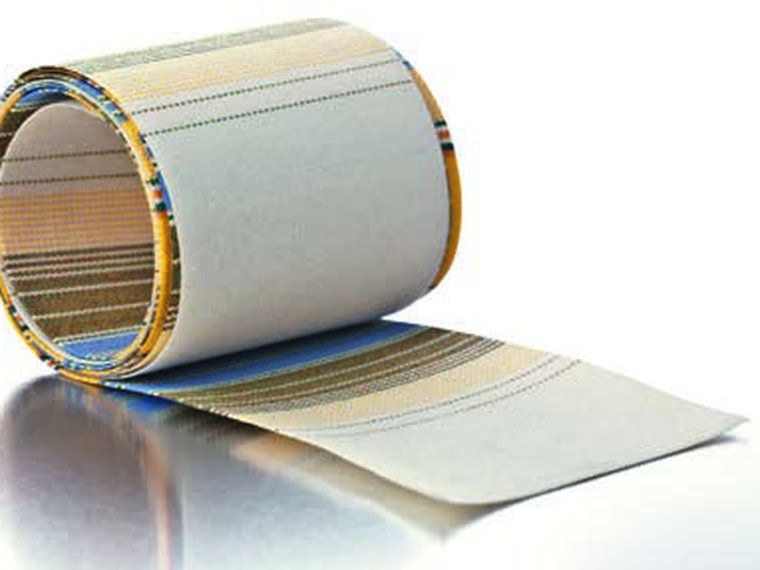
Awnings and outdoor fabrics
Lap seals in coated fabric that must hold up to weather and load - a wheel handles the wide continuous web
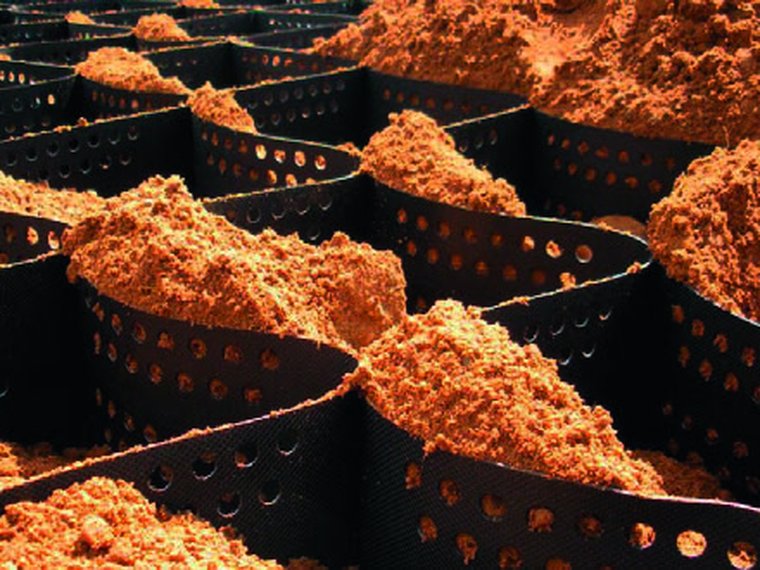
Geocells and geotextiles
Strip welds joining cell sheets that must carry tension for years underground, where weld strength is everything
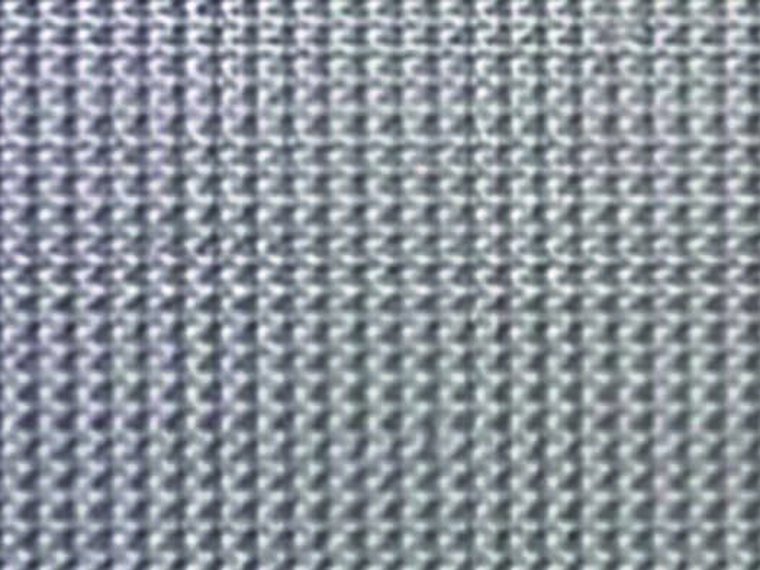
Technical fabrics and mesh cutting
The cut must not block the apertures - mesh count and open area stay unchanged after sealing
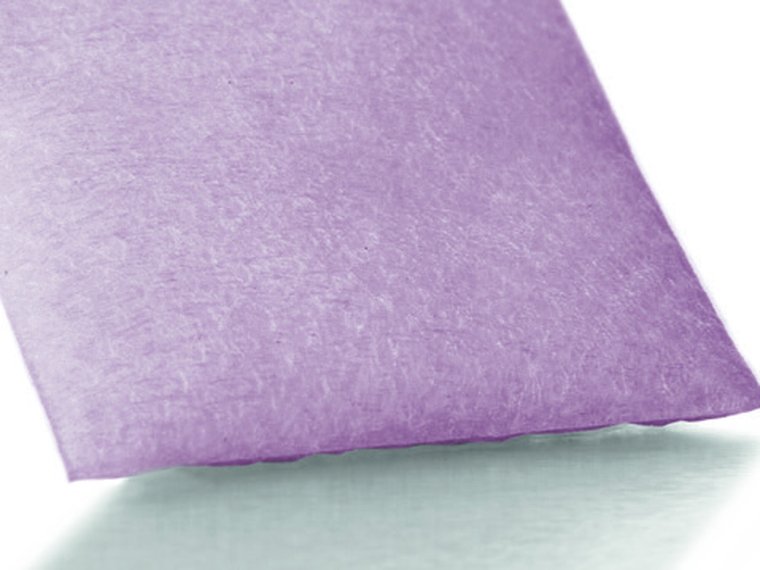
Shaped and sharp-corner contours
Sharp corners are where material scorches or fails to sever - solved by matching die profile to web speed
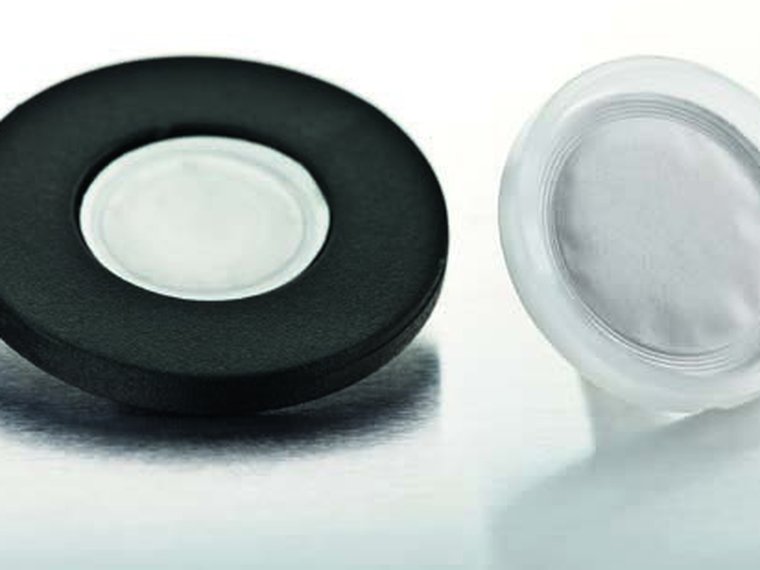
Filter media and nonwoven welding
Media bonded to the frame all round so it holds under backflush, with airflow resistance unchanged after welding
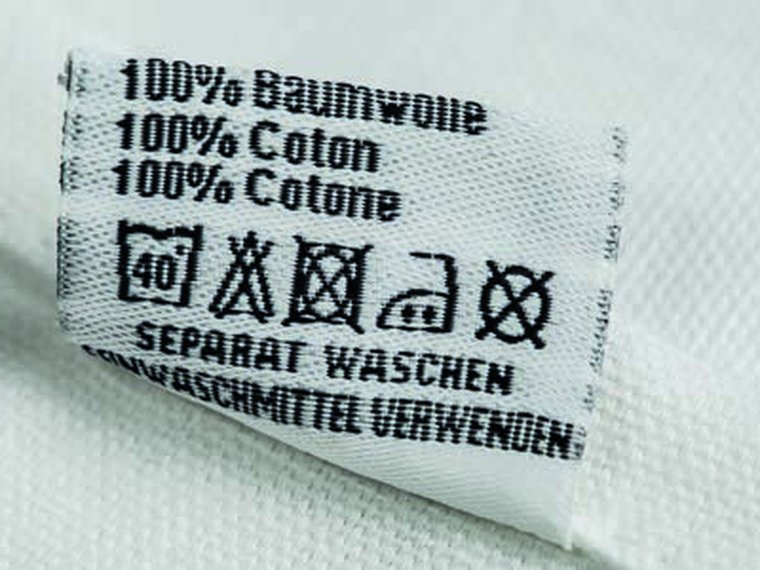
Woven and care labels
Labels cut and edge-sealed in one pass, leaving no loose threads and no scratchy edge against the skin
Why LINQISONIC
From joint design to line integration, we solve one thing: welds that hold and stay consistent
Cut and seal in one pass
A wheel or die severs and seals in a single action, removing a whole edge-finishing operation and the machine that did it. Continuous web runs under a wheel, shaped parts under a die, and the seal pattern comes from the anvil profile.
No fraying, no loose threads
The edge is fused as it is cut rather than simply sheared, so it locks itself. For masks and dressings that touch skin or wounds, fibre shedding is a hard requirement; for garment trim it removes binding and overlock stitching.
Cold tooling, ready on start-up
The blade never heats, so there is no warm-up and no material baking onto it after a stop. Compared with hot-knife cutting the edge is cleaner and does not yellow, and heat-sensitive materials are not damaged.
No thread, and tools can be reground
No sewing thread, needles or bobbins to consume, and no thread breaks stopping the line. Hard steel tools can be reground repeatedly, spreading tooling cost very thin per part.
Continuous or intermittent
A rotary wheel for wide continuous web, a die for shaped parts - the same ultrasonic system switches between them by changing tooling, and it integrates directly into an existing line.
Cutting trials before commitment
The material needs enough thermoplastic content to bond at all - pure natural fibres will not, and for blends the synthetic ratio decides it. Send us the material: we run cutting trials and pull and edge tests before fixing tooling and machine configuration.
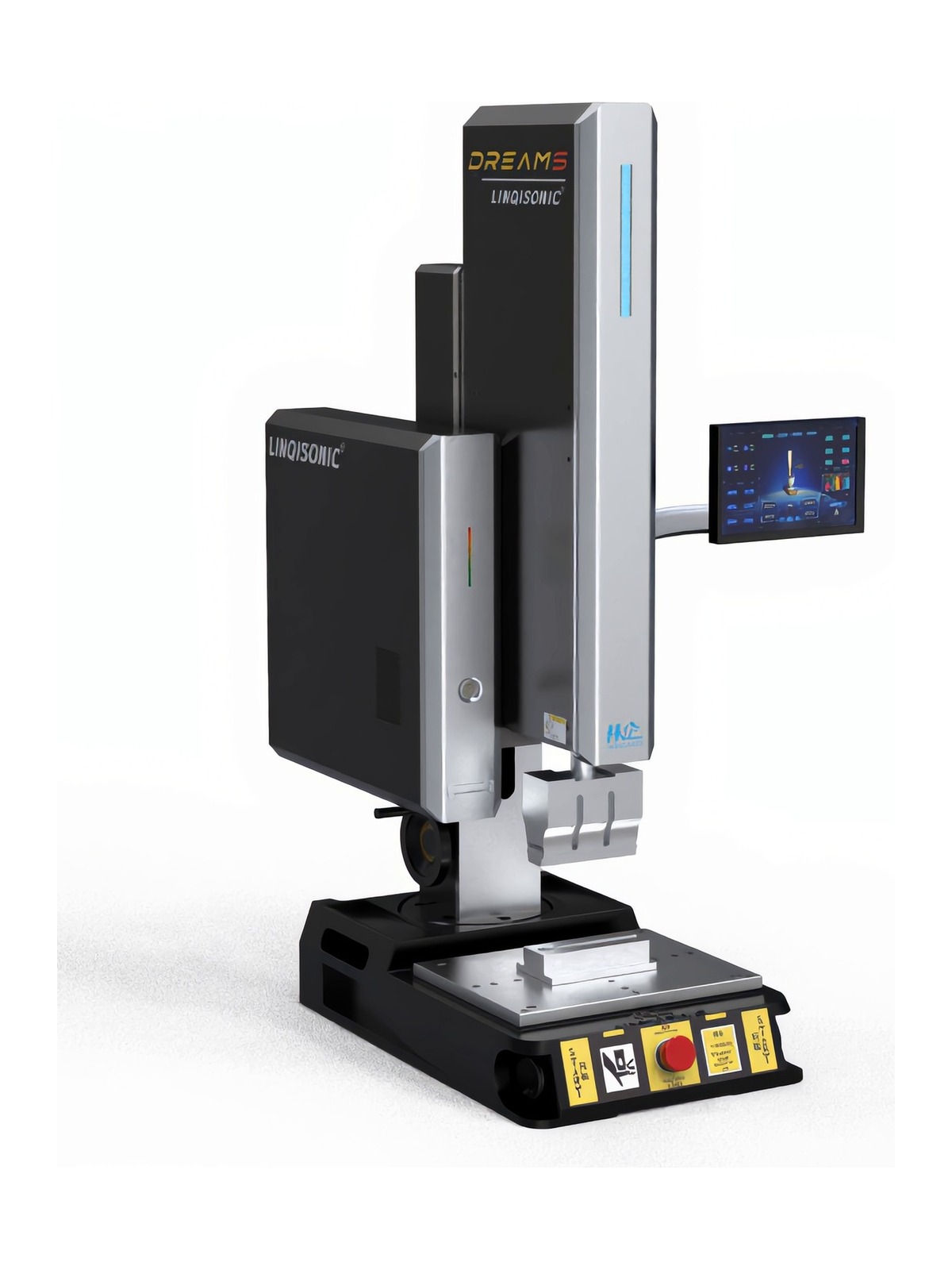
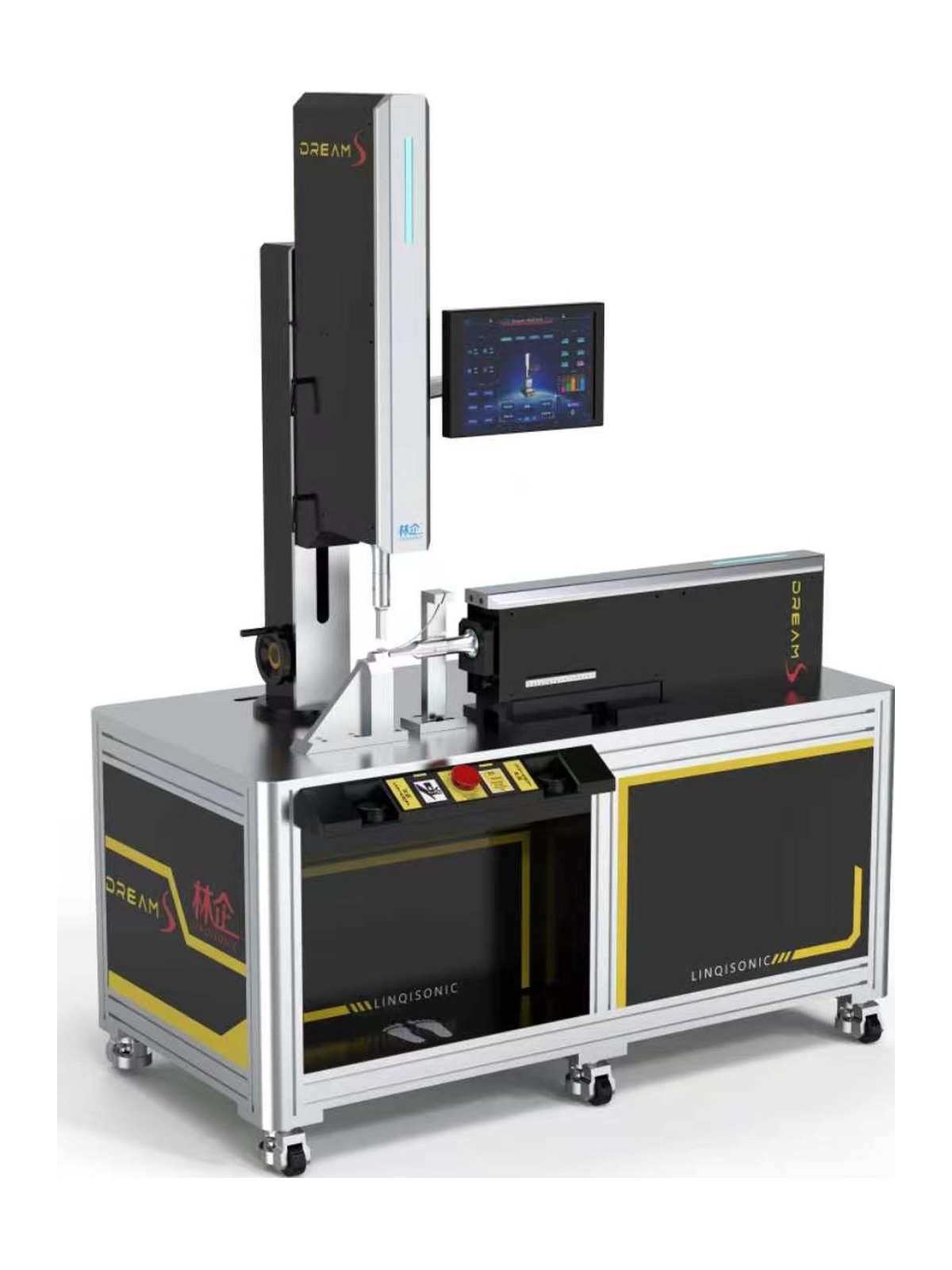
Ultrasonic Cutting & Sealing for Nonwovens and Textiles
Cutting and edge sealing for masks and dressings, pocket springs, automotive acoustics, technical fabrics and geotextiles - with tooling selection across wheel, die and spot welding, and how to judge whether a material can be welded at all.
- 7-page edition covering 12 part families
- Three routes: rotary wheel, die cutting, spot welding
- Material test: thermoplastic content and how to read blends
PDF · 0.6 MB · 7P
Send us your part
Tell us the material, dimensions and cycle time. We reply with joint design, machine and fixture suggestions.
Direct contact