
Ultrasonic Welding for Packaging
Seals through product residue - a cold process, narrower seals, cut and seal in one
The most common packaging failure is not a weak seal but a contaminated one: powder, grease or liquid in the seal area that heat sealing simply cannot close. Ultrasonic sealing uses high-frequency vibration to push contamination out of the seal zone first, then bonds the two film layers at molecular level - so it seals through product, and leaker rates drop noticeably. The whole process is cold: the tooling never heats up, so it starts and stops instantly, will not scorch heat-sensitive products, and will not bake residue onto the jaws. Seal bands are narrower than heat seals, saving film; and mono-material recyclable structures (all-PE, all-PP), which have a very narrow heat-sealing window, are actually easier to seal ultrasonically. On the moulded-part side it covers caps, pumps, dosing closures, degassing valves and handle components.
Typical Welded Parts
Common ultrasonic welding and cutting stations in this industry
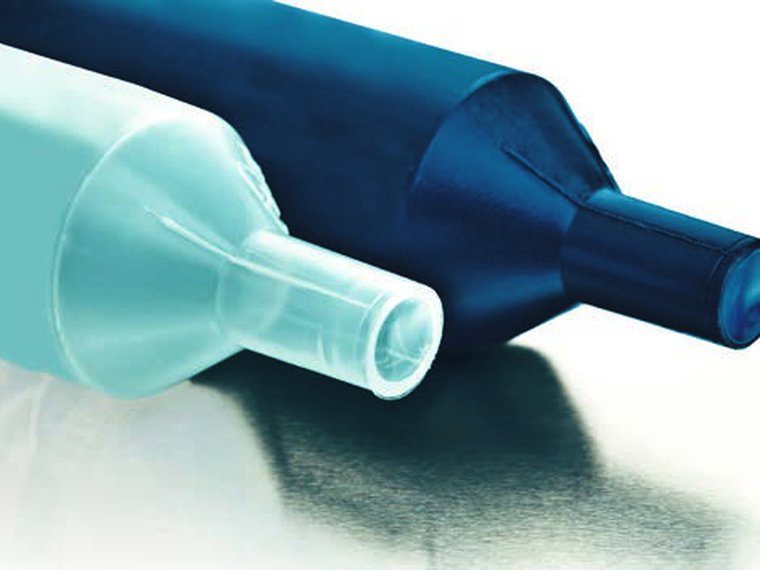
Tube tail sealing
Toothpaste and cosmetic tube tails - residue inside the tube does not stop the seal closing flat and crease-free
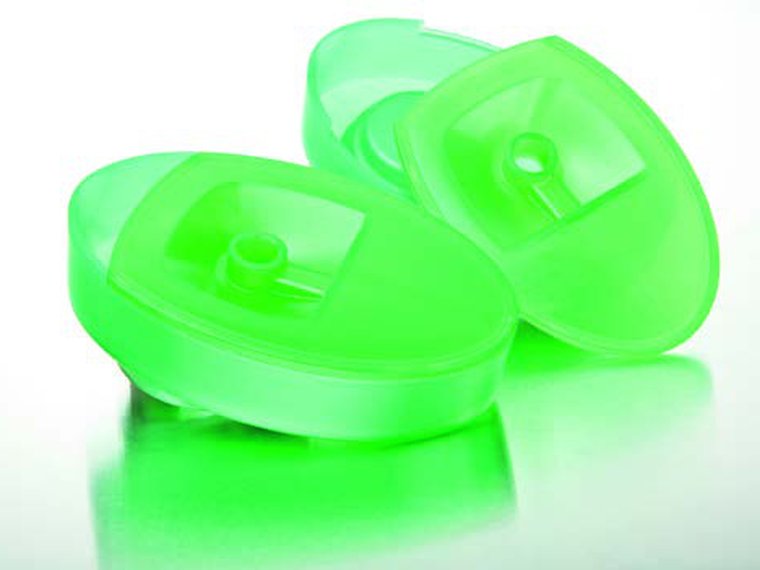
Dosing and dispensing closures
Cap bodies welded to valve discs and gaskets, holding both the opening feel and the seal
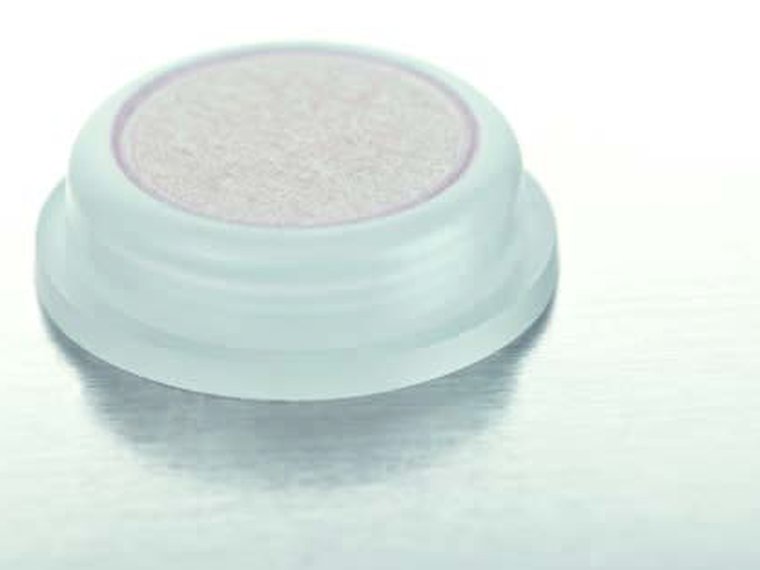
One-way degassing valves for coffee
The valve disc must weld continuously to the film, with venting resistance consistent part to part
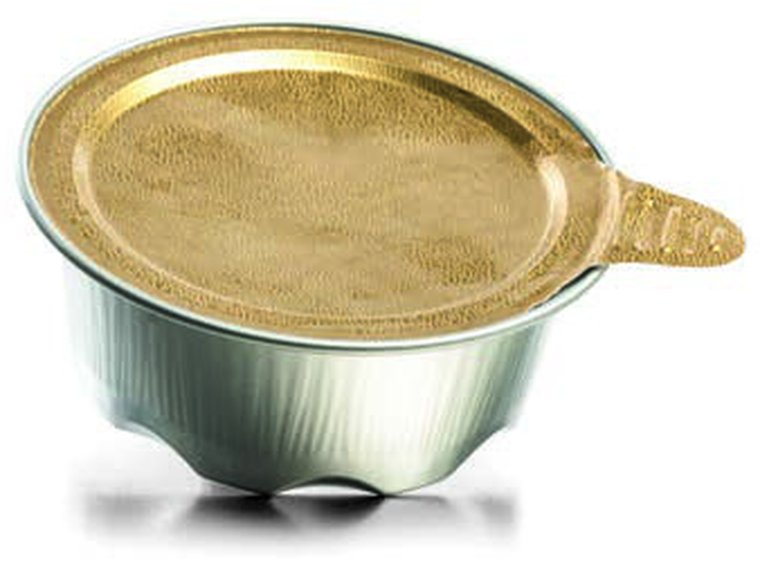
Foil trays and cup lidding
Film sealed all round the rim with a stable peel force and no weak points along the edge
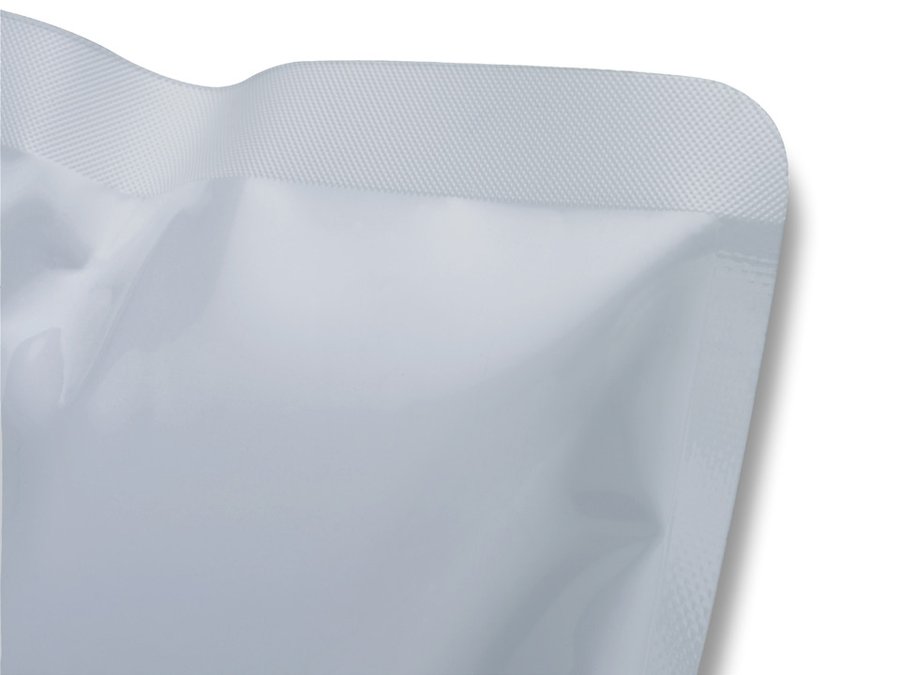
Stand-up pouch seals and zippers
The zipper profile must weld to the film without crushing the teeth, leaving no channel beside the seal
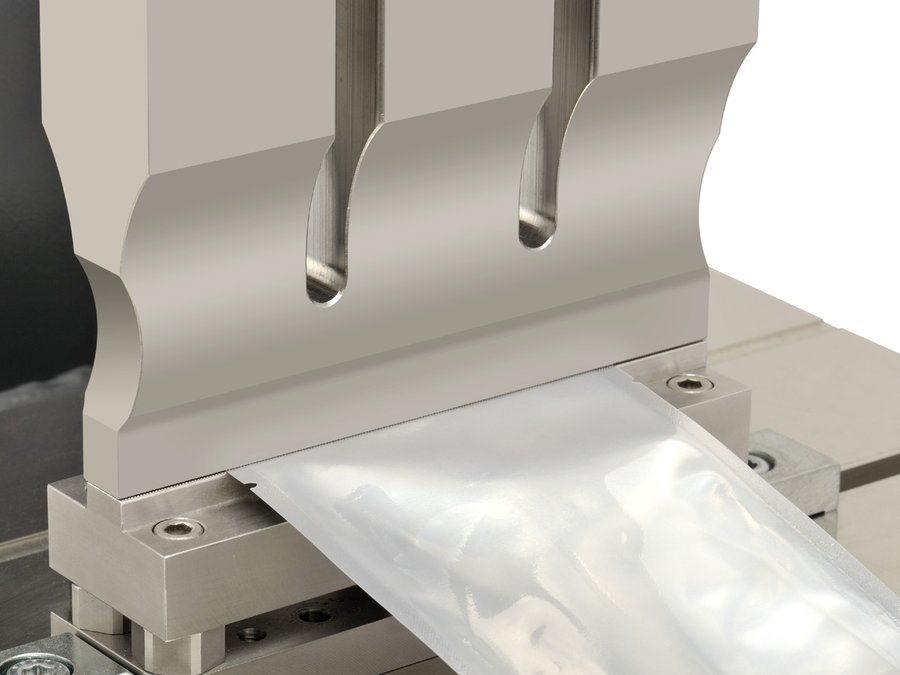
In-line cross sealing
Continuous cross seals running with the web on the packaging machine - cold jaws do not stick or bake residue
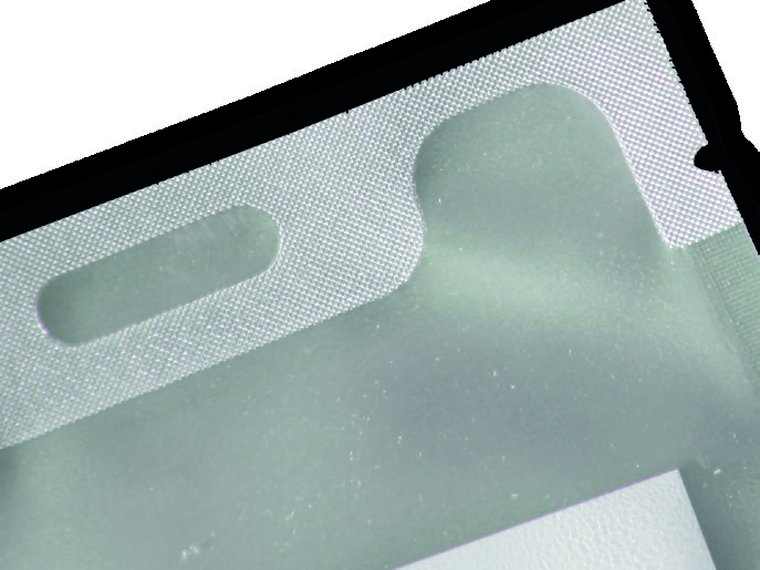
Carry handles and reinforcement patches
Reinforcement welded around the handle hole so it does not tear under load, with no sharp edges

Laminate pouch seals
Longitudinal and bottom seals in multi-layer laminates, without delamination and with consistent seal strength

Pharmaceutical blisters and thermoformed packs
Lidding sealed all round the blister with peel force inside spec and no micro-channels
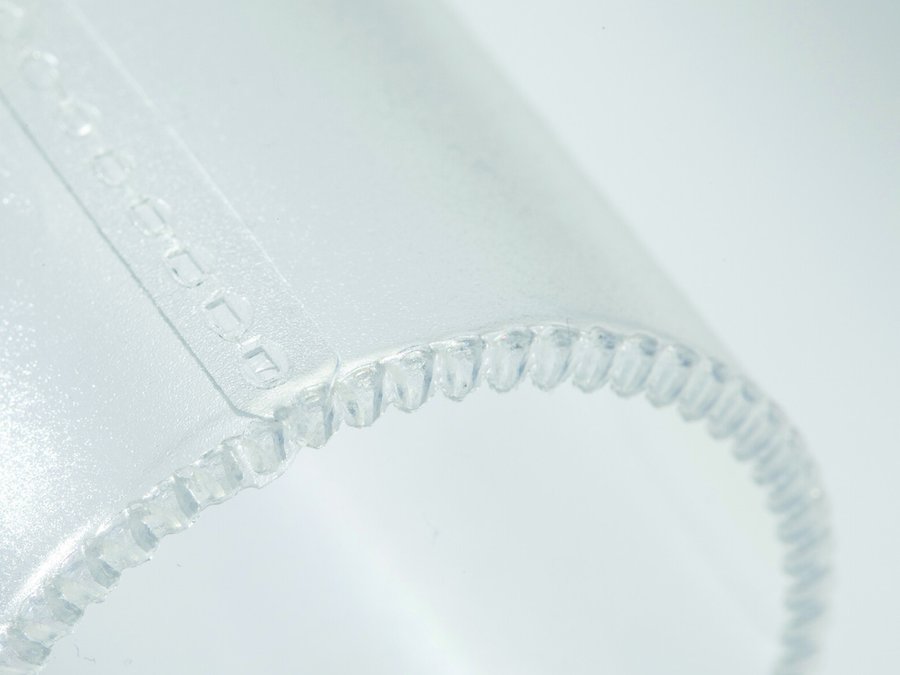
Seal patterns and embossing
The pattern is set by the anvil profile and is both sealing surface and visible finish - depth must stay even
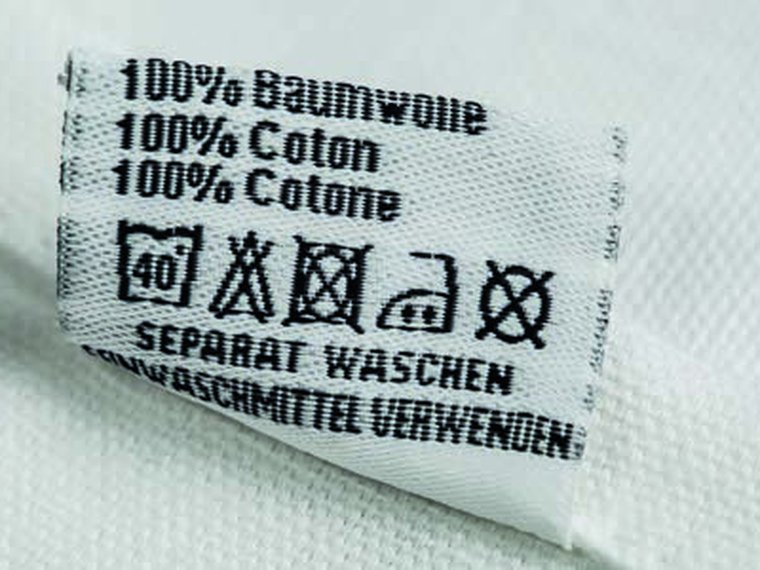
Woven and care label cutting
Labels cut and edge-sealed in one pass, leaving no fraying and no scratchy edge against the skin
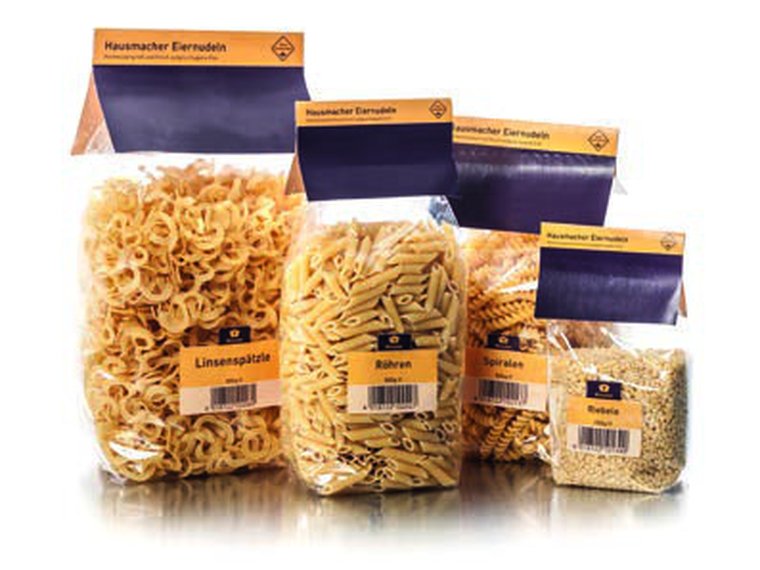
Dry goods and pasta bags
Fine dust is the worst contaminant for a seal - ultrasonics clears it from the seal zone first, cutting leaker rates
Why LINQISONIC
From joint design to line integration, we solve one thing: welds that hold and stay consistent
Seals through residue
This is what most separates ultrasonic sealing from heat sealing. Powder, grease or liquid on the sealing face defeats a heated jaw and the pack leaks; ultrasonic vibration clears the contamination out of the seal zone first, then bonds the layers. Leaker rates on powdered and oily products fall noticeably.
A cold process, ready on start-up
The tooling never heats, so there is no warm-up wait and no residue baking onto the jaws after a stop. Start and stop at will - changeover and set-up cost far less time, and heat-sensitive films and products are not damaged.
Narrower seals, less film
An ultrasonic seal band can be much narrower than a heat seal, saving a meaningful amount of film on the same pack format. Width and position are set by the horn and anvil, so they stay consistent and do not drift with temperature.
Mono-material packs seal too
All-PE and all-PP recyclable structures have a very narrow heat-sealing window and burn through or under-seal easily. Ultrasonic heat is generated only at the interface, giving a far wider window - which makes it a better route for recyclable packaging.
Cut and seal in one operation
A die or wheel cuts and seals in a single action, leaving a clean, fray-free edge. Labels, woven tags and shaped pouch edges can all be finished in one operation, removing a machine from the line.
Sealing trials before commitment
Send us the film, the pouch format or the part. We seal samples first and run peel and leak tests, then fix the seal design, horn, anvil and machine configuration.
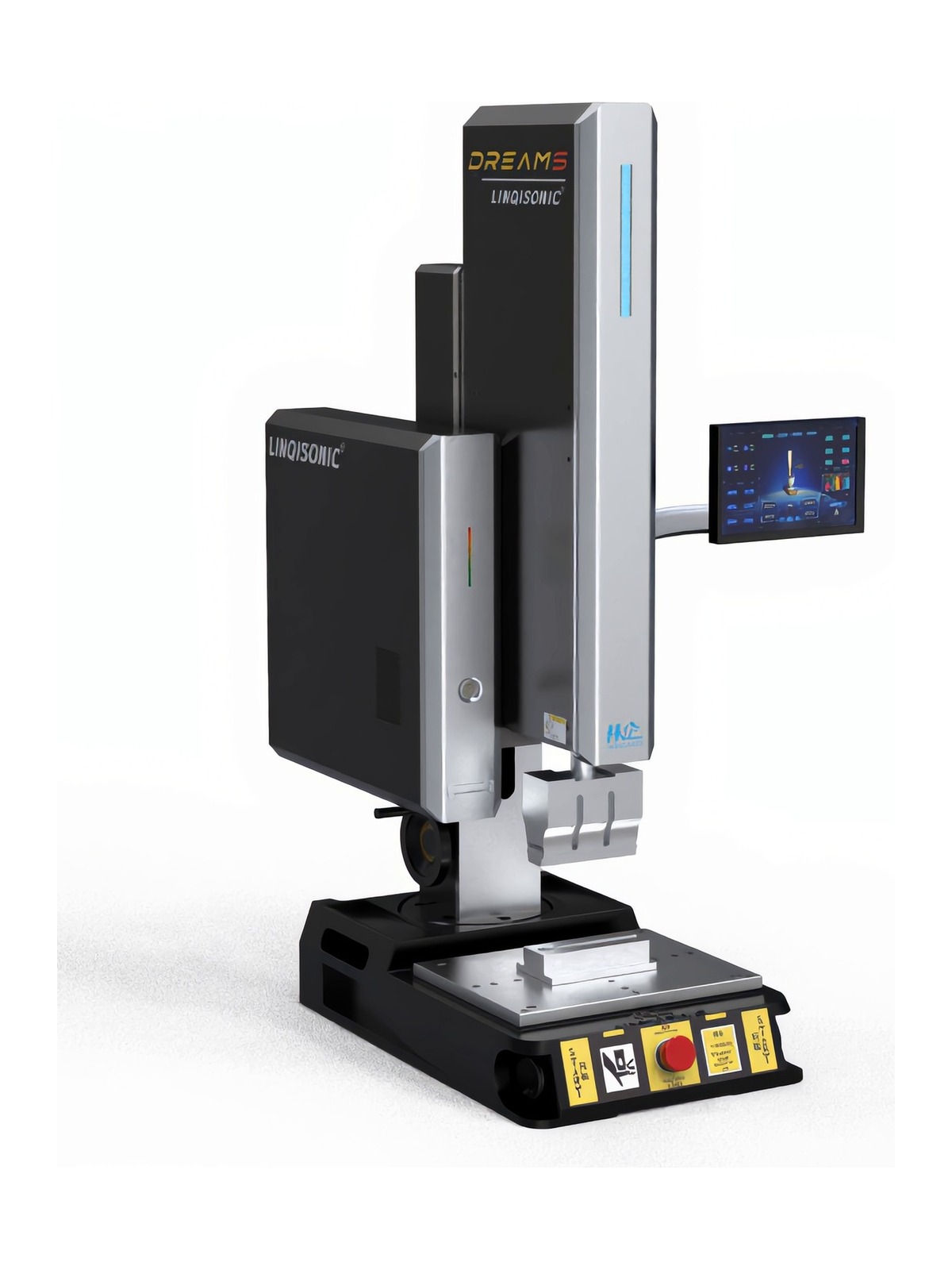
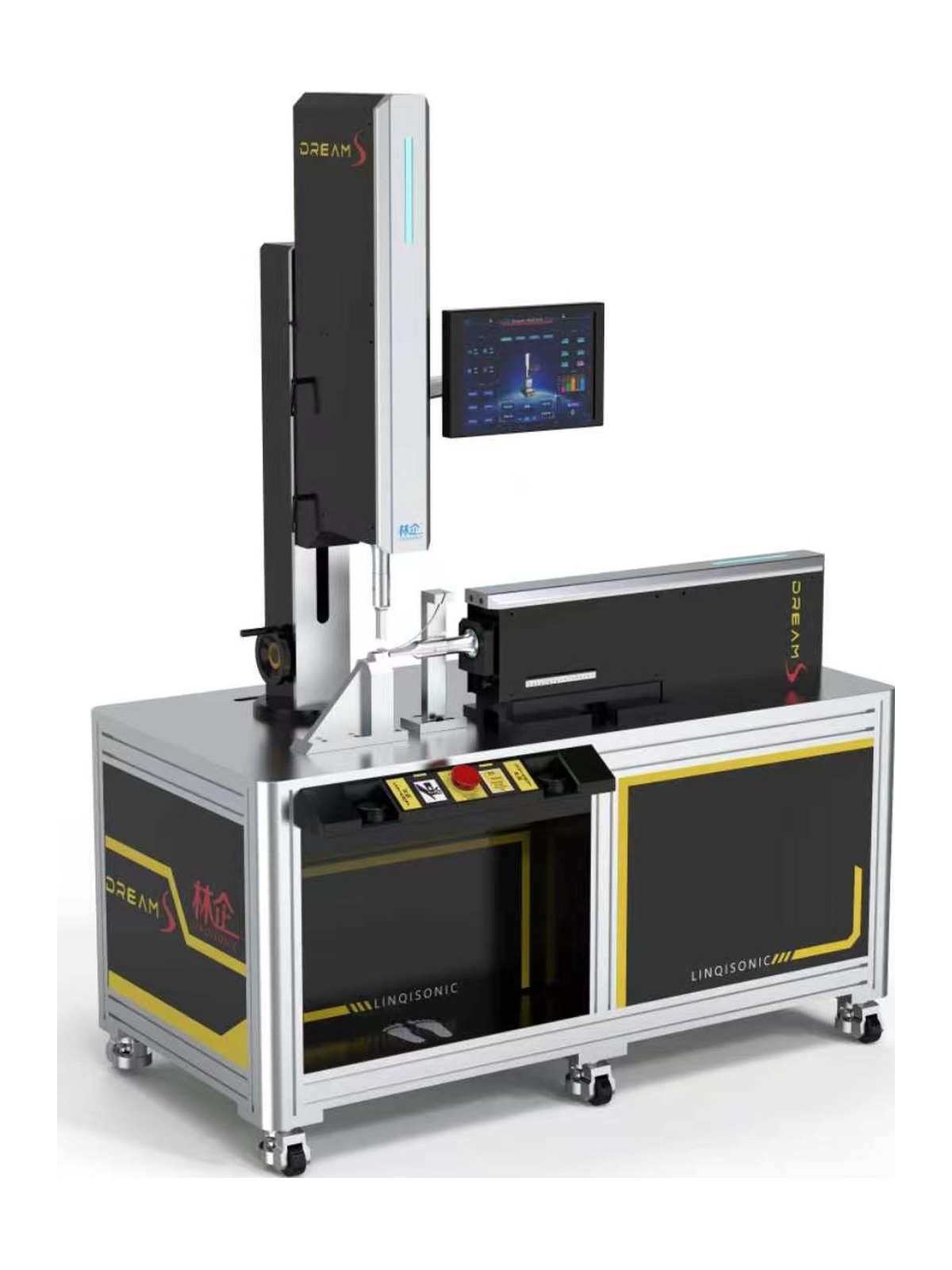
Ultrasonic Sealing & Welding for Packaging
Tube tail sealing, pouch and laminate sealing, closures, valves and lidding - built around the three ways ultrasonics differs from heat sealing: it seals through residue, it stays cold, and the seal is narrower.
- 7-page edition covering 12 packaging part families
- Sealing through residue: why leaker rates drop
- Sealing windows for mono-material recyclable packs
PDF · 0.7 MB · 7P
Send us your part
Tell us the material, dimensions and cycle time. We reply with joint design, machine and fixture suggestions.
Direct contact