
Ultrasonic Welding for Food Cutting
Nothing sticks to the blade - clean faces, layers intact, fewer crumbs
The hard part of food cutting is not severing the product but leaving it looking right. Cream, caramel and cheese cling to a blade; layered cakes collapse under pressure; nuts and dried fruit drag and smear the cut face. An ultrasonic blade vibrates more than twenty thousand times a second, creating a near-frictionless boundary between steel and food: nothing sticks, cutting resistance drops sharply, soft products are not crushed, layers stay distinct, and hard inclusions are severed rather than dragged. The blade largely cleans itself as it cuts, so stops to wipe it down become far less frequent. Both frozen and ambient products can be cut, as single blades, synchronised blade sets, or continuous in-line cutting. Blade design is specific to each product.
Typical Welded Parts
Common ultrasonic welding and cutting stations in this industry
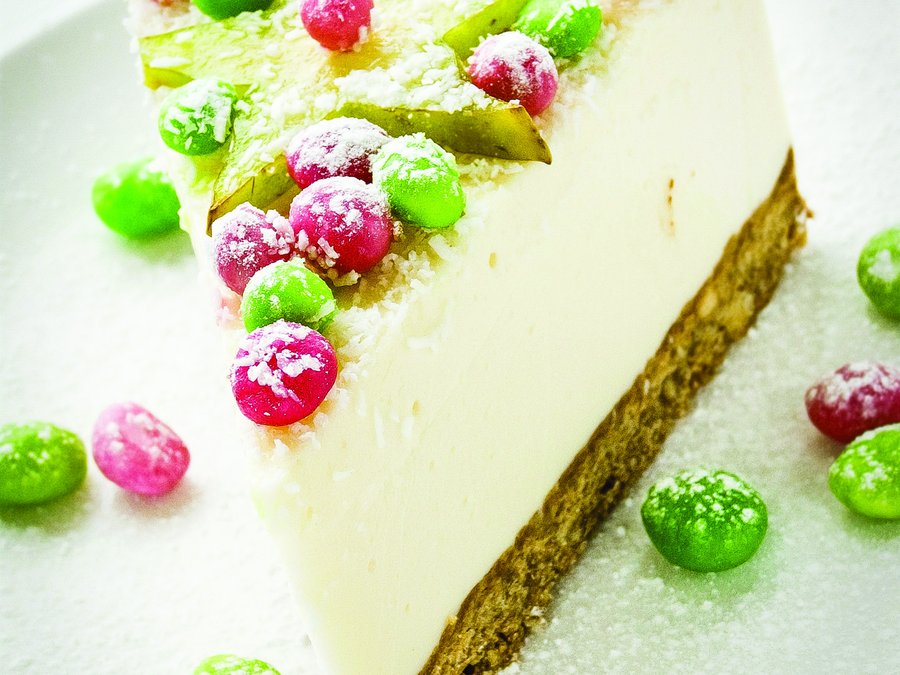
Mousse and cheesecake portioning
Decoration must not smear, cream must not stick, and the cut face has to stand up with a clean edge
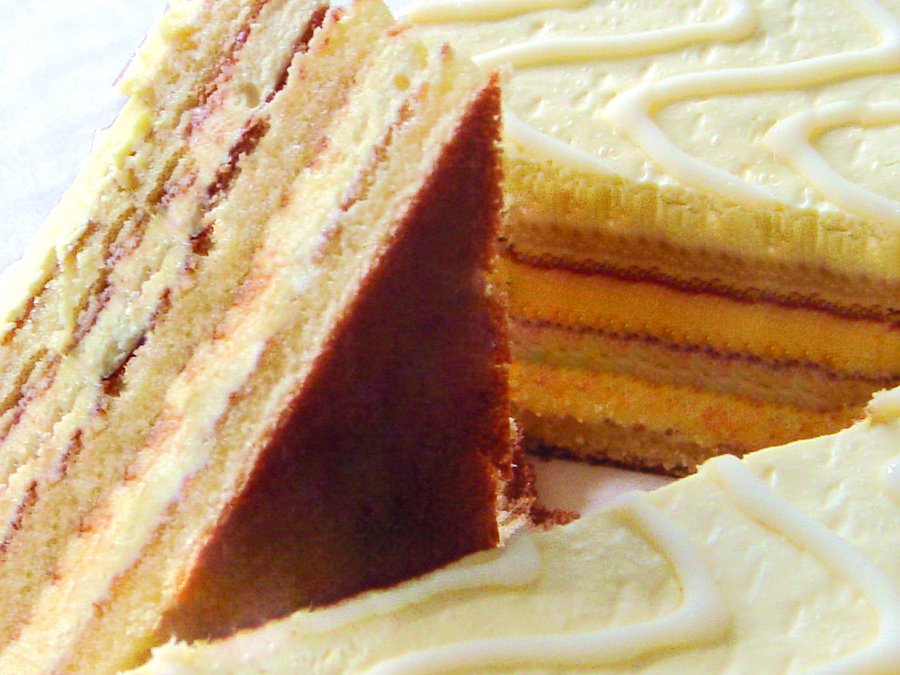
Layered cake portioning
Alternating soft and firm layers that must not compress, with jam layers that must not drag across the face
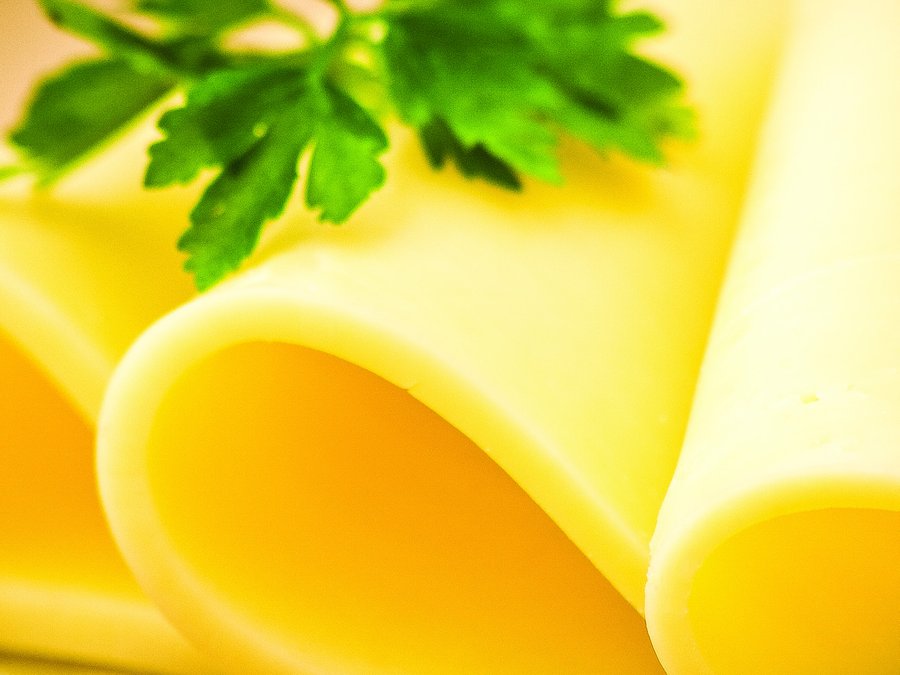
Cheese slicing and stripping
Nothing sticks worse than cheese - a near-frictionless blade face keeps slices whole and flat
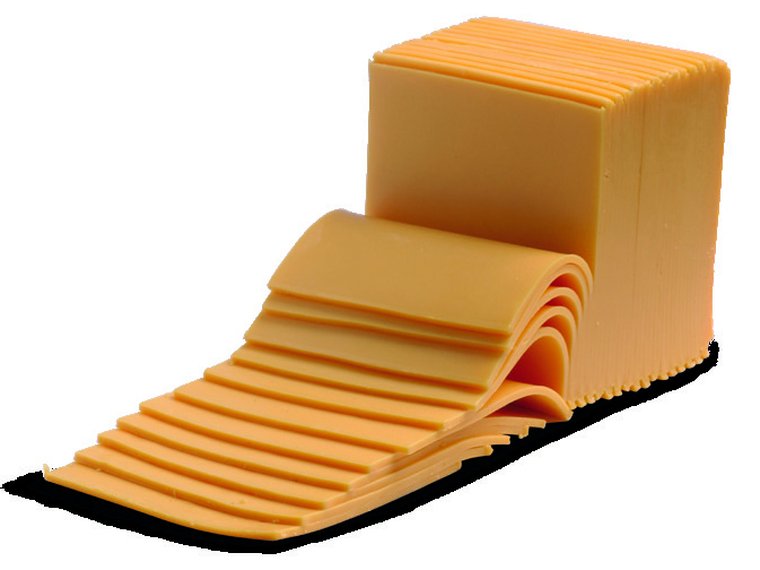
Cheese blocks and formed loaves
Dividing large blocks demands dimensional consistency, since weight variation goes straight to yield
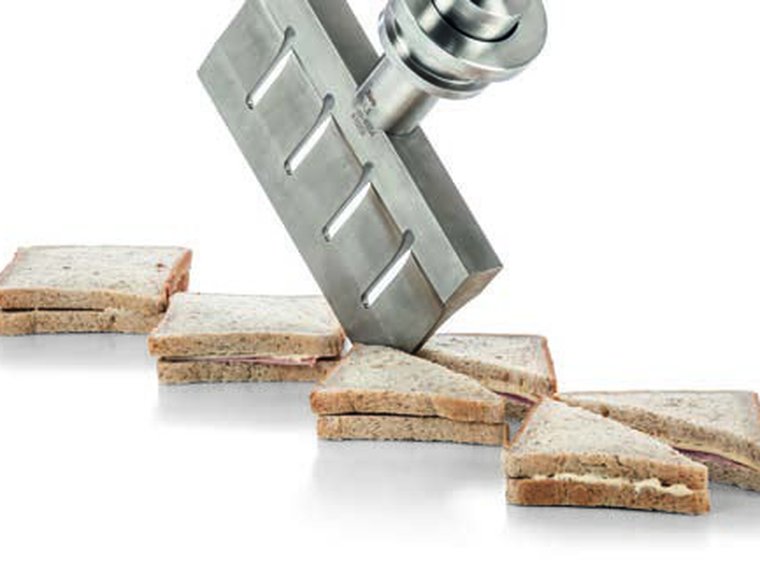
Sandwich diagonal and strip cutting
Bread and filling differ greatly in firmness - one pass must not squeeze filling out at the edges
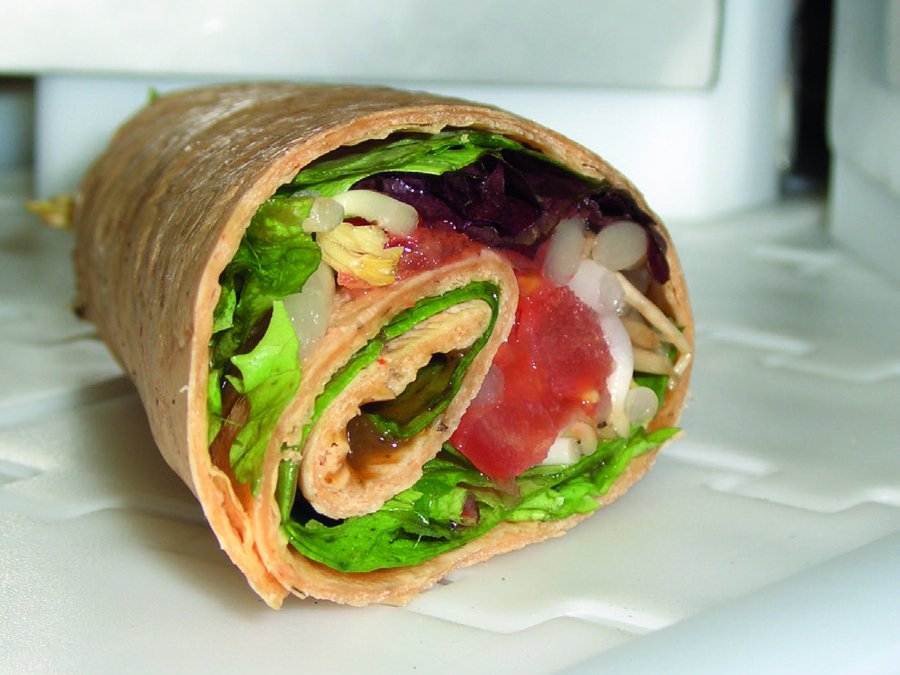
Wraps and rolled products
Soft outside, dense inside - the cut must stay round without unrolling, with filling layers visible
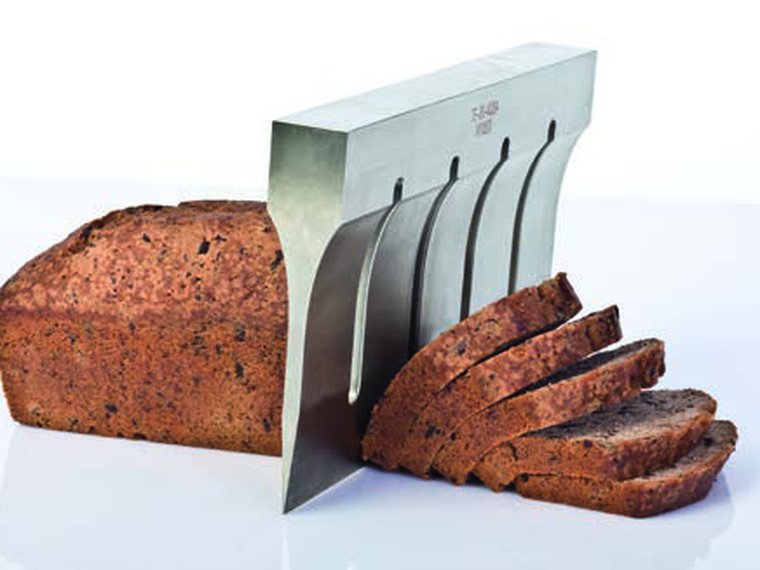
Bread and toast slicing
Seeded and wholegrain loaves crumble worst at the edge; ultrasonic cutting leaves a tidy face with fewer crumbs
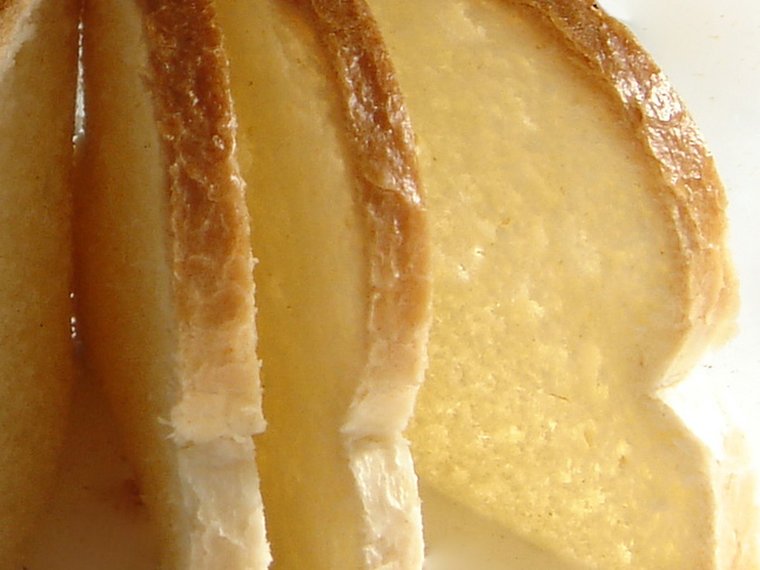
Pastry and laminated doughs
Laminated layers shatter under pressure, so they are cut by vibration rather than forced apart
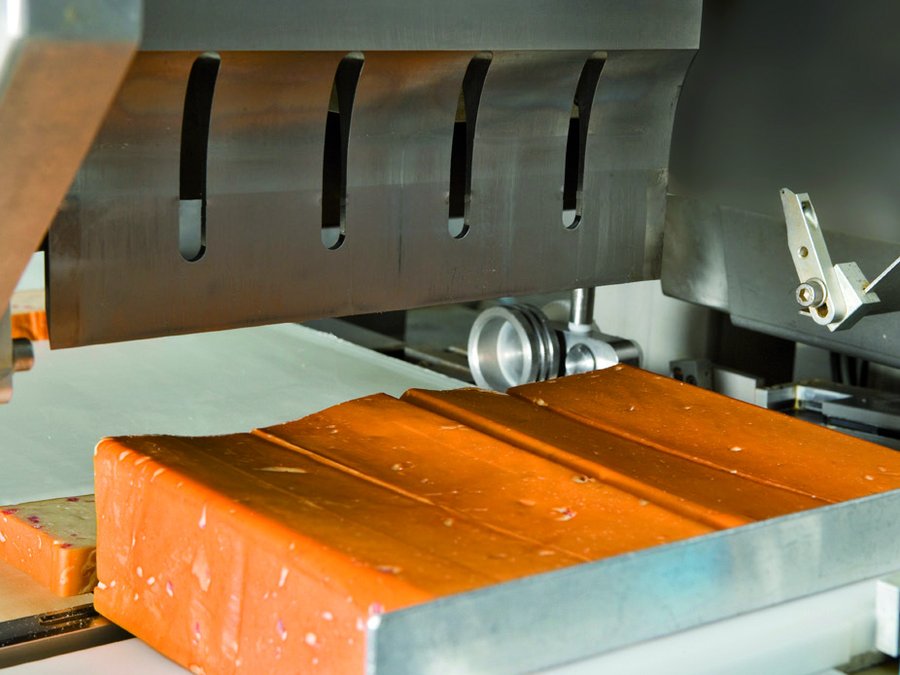
Continuous in-line cutting
Cutting on the moving web at a steady cycle, integrated directly into an existing line
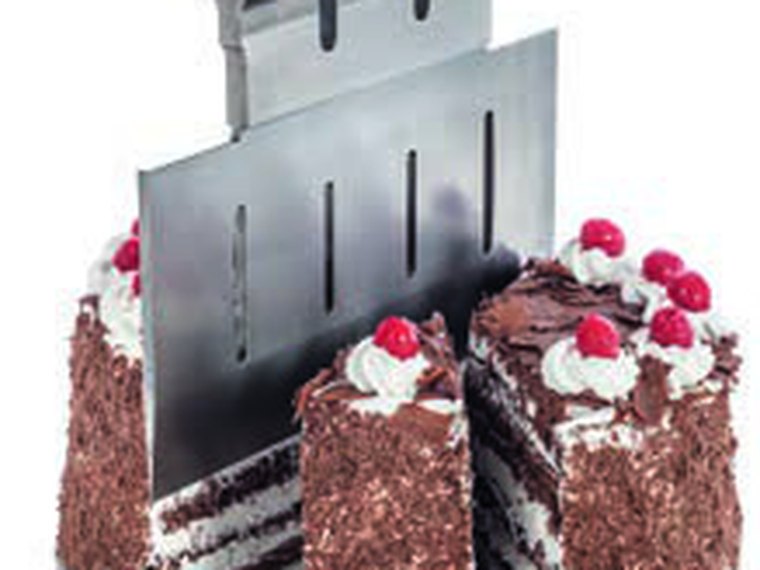
Synchronised multi-blade cutting
Several portions in one stroke, with count and spacing set by the blade set and better weight consistency
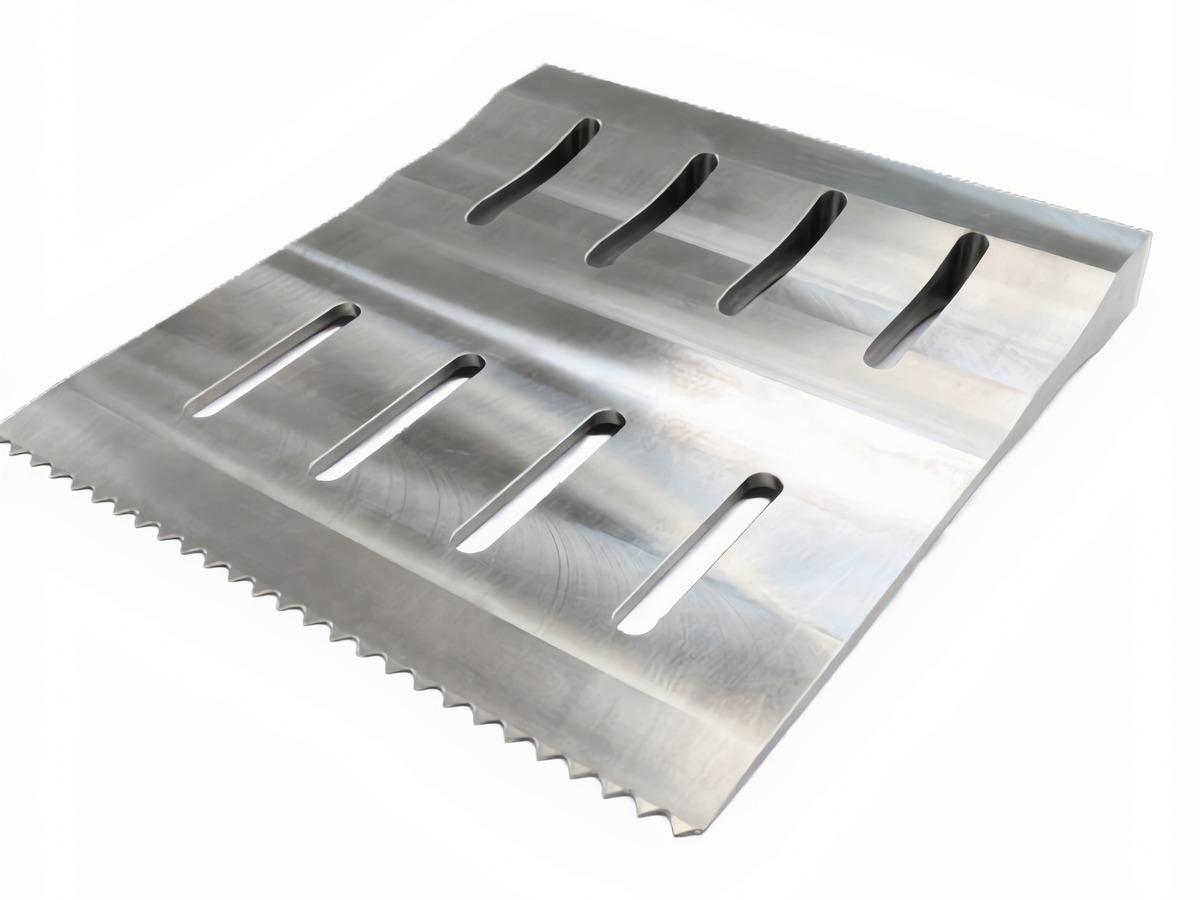
Long blades and edge geometry
Edge angle, surface finish and coating are specified per product and decide whether anything sticks
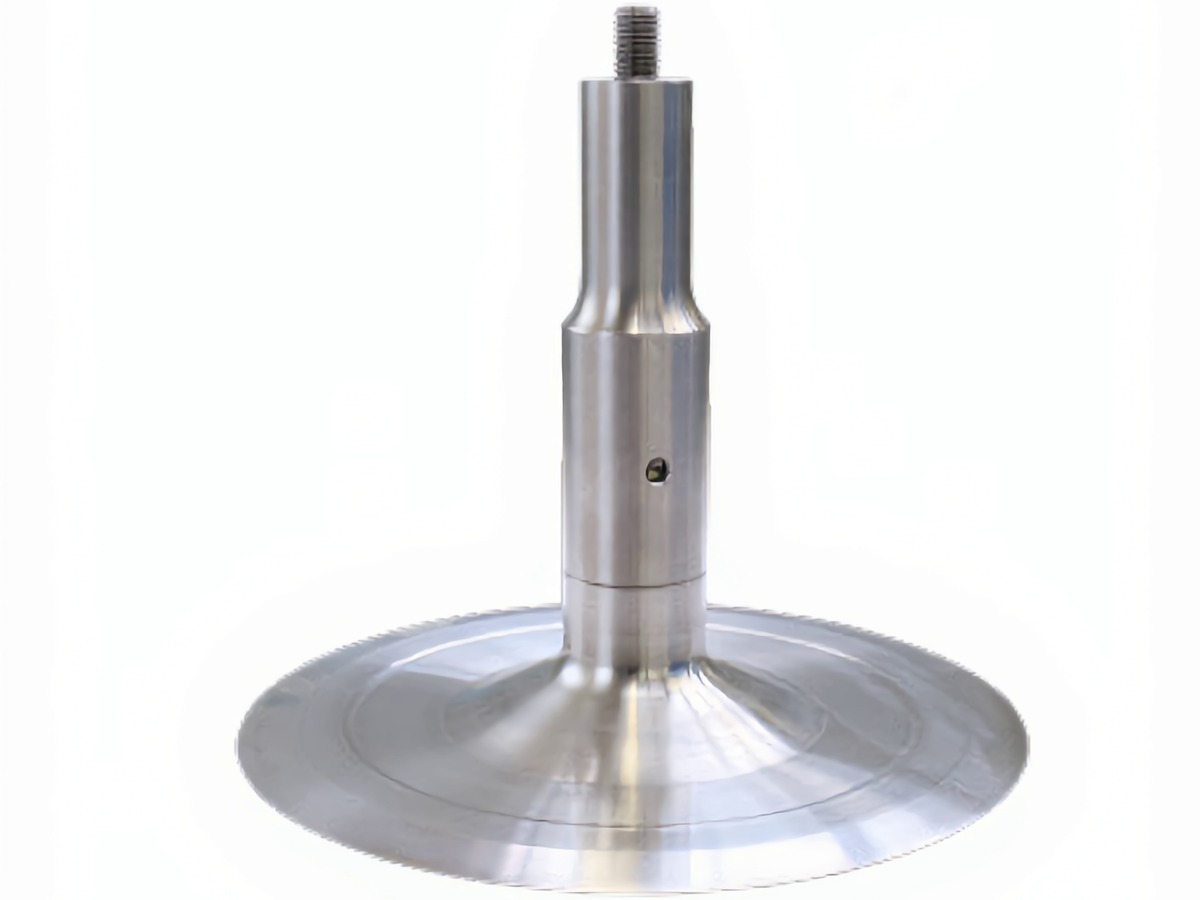
Disc blades and continuous cutting
A rotating disc cuts as the product runs continuously beneath it - no stopping, and the fastest cycle
Why LINQISONIC
From joint design to line integration, we solve one thing: welds that hold and stay consistent
Nothing sticks to the blade
This is what separates ultrasonic cutting from an ordinary knife. The blade face vibrates over twenty thousand times a second, forming a near-frictionless boundary, so cream, caramel, cheese and jam do not smear onto it. Cut faces stay clean and the line stops far less often to wipe blades.
Soft products keep their shape
An ordinary blade forces food apart with pressure, which deforms layered cakes, mousses and pastry. Ultrasonics cuts by vibration instead: resistance drops sharply, boundaries between layers stay sharp, and the structure is visible in the cut face.
Better yield, fewer crumbs
A thin kerf and low cutting resistance mean much less crumbling and edge damage, and consistent dimensions let weight-sold products carry less overfill. Crumb loss and giveaway both cost real money over a year.
Hard inclusions get severed
Nuts, dried fruit and chocolate pieces are dragged along by an ordinary blade, tearing the cut face. An ultrasonic blade severs the inclusion instead of pushing it, leaving the face flat.
Less cleaning downtime
The blade largely cleans itself as it cuts, so product does not build up on it and wipe-downs become less frequent. Fewer crumbs also means less residue around the machine, which helps hygiene management.
Cutting trials before blade design
Blades are product-specific: edge angle, surface treatment and resonant length are all designed around the actual product, and a different product usually needs a different blade. Whole nuts and fully frozen products remain difficult. Send the product and we cut samples first, confirming face quality and cycle time before fixing the design.
Ultrasonic Food Cutting
Portioning for cakes and pastry, cheese, sandwiches, bread and wraps - covering guillotine, disc and multi-blade tooling, and how to judge which products benefit most.
- 7-page edition with ultrasonic blade photography
- Three blade formats: guillotine, disc, multi-blade
- The blade is a resonator - it cannot be reground freely
PDF · 0.6 MB · 7P
Send us your part
Tell us the material, dimensions and cycle time. We reply with joint design, machine and fixture suggestions.
Direct contact