
Ultrasonic Welding for Automotive
From lamp sealing to battery tabs — two ultrasonic process lines, plastic and metal, covering more than thirty joints on a vehicle
More than thirty joints on a modern vehicle are made with ultrasonics. On the plastic side: long perimeter lens sealing, insert embedding in trim carriers, housing seals over airbag electronics, and sensor bracket location welds. On the metal side: multilayer foil-to-tab welds in the battery, aluminium-to-copper lap joints on module busbars, high-current terminations in charging inlets and harnesses, and leadframe-to-DBC bonding in power modules. Both lines share one principle — high-frequency vibration creating friction at the interface, with no solder, adhesive or other third material, and energy and collapse recorded for every part. They differ in direction: plastics use longitudinal vibration to melt the interface, metals use transverse vibration to break the oxide film and bond in the solid state, without ever melting the base metal. For automotive lines running tight cycles under traceability requirements, the two share the same control logic and line interfaces.
Typical Welded Parts
Common ultrasonic welding and cutting stations in this industry
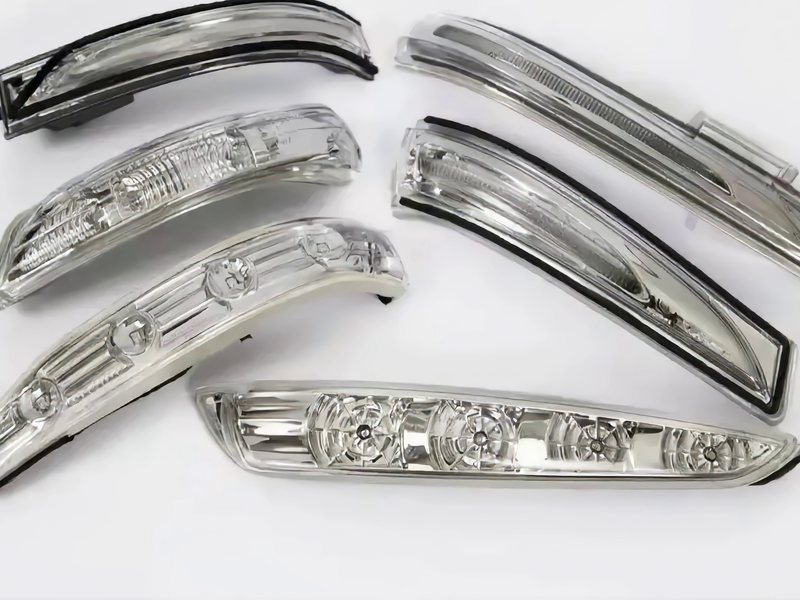
Tail lamp lens sealing
Long perimeter seal weld between PC lens and ABS housing. An energy director joint under absolute-distance control balances air tightness against the width of the visible flash line.
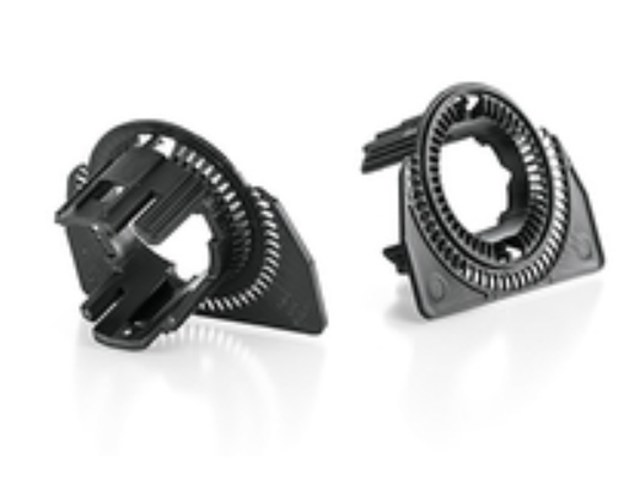
Bumper sensor brackets
Locating weld between the sensor seat and the bumper. Post-weld angular tolerance decides radar accuracy, held by fixture location together with closed-loop collapse control.
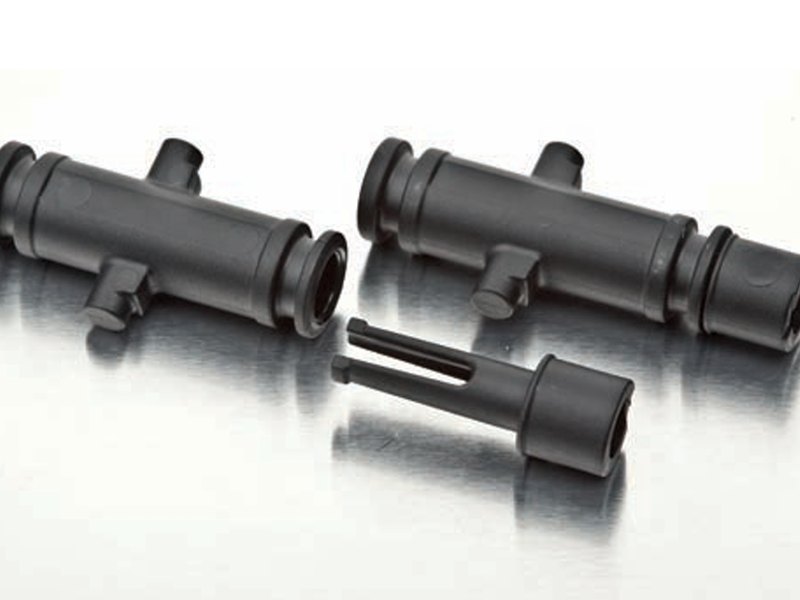
Reciprocating piston housings
Circumferential seal weld between barrel and end cap. A shear joint formed continuously around the perimeter stays pressure tight without adhesive or screws.
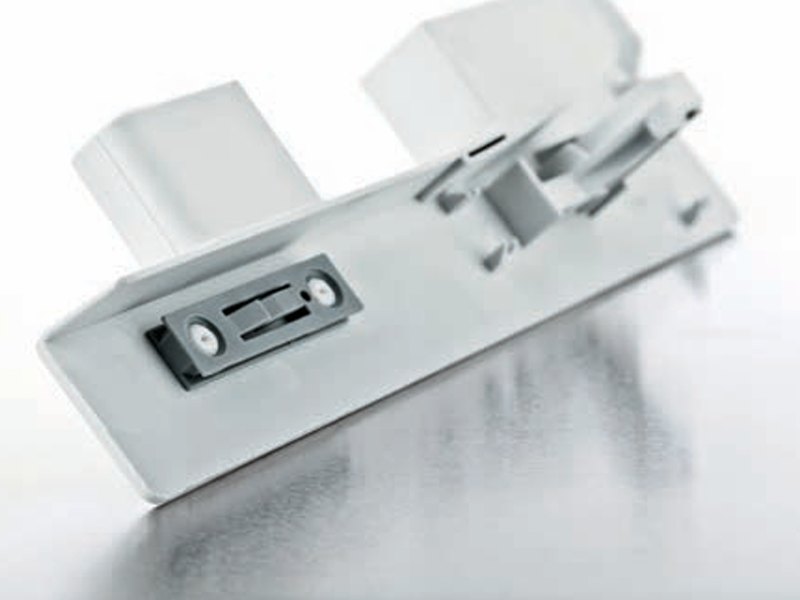
Interior brackets and visors
Metal insert embedding and clip staking. The insert needs no pre-heating, the A-surface carries no witness marks, and no metal chips are produced.
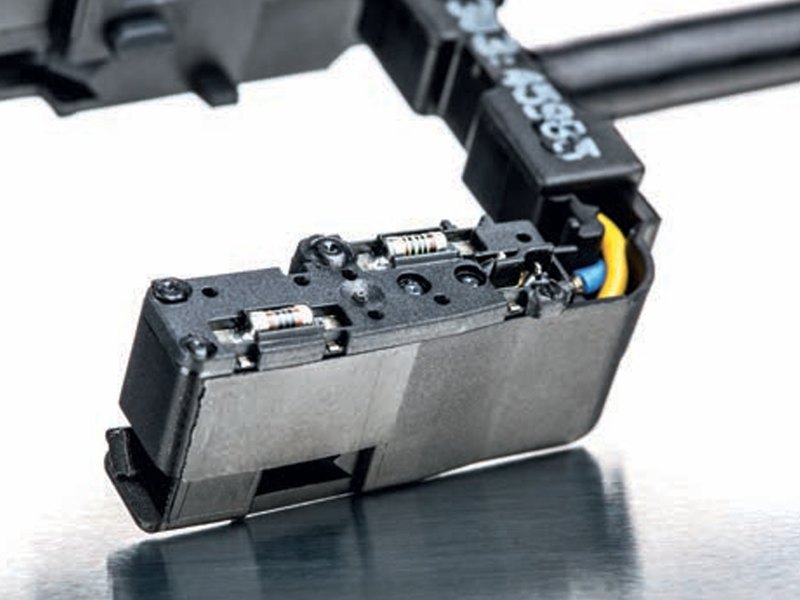
Airbag control units
Housing seal weld over built-in electronics. Heat stays at the joint interface for milliseconds, leaving adjacent components, wiring and pyrotechnics untouched.
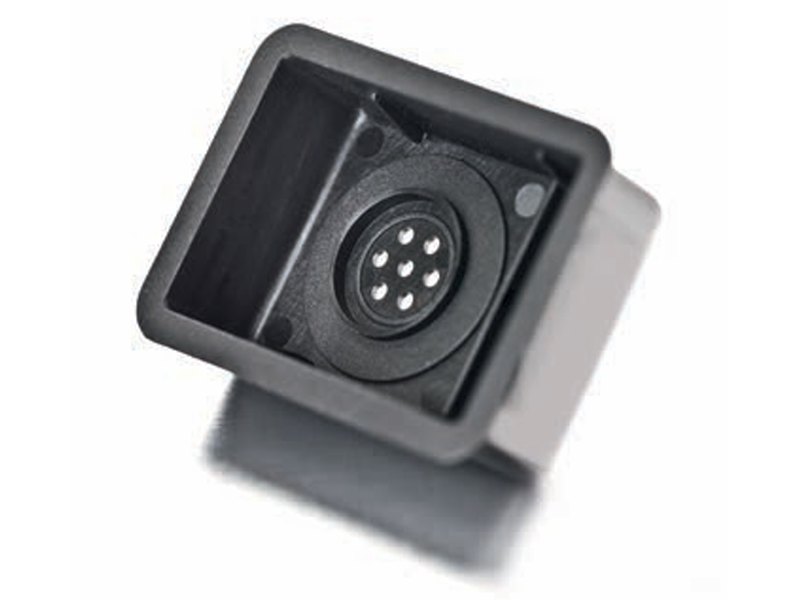
Vent membranes
Membrane welding for lamp and ECU breathers. Low amplitude and short weld time bond the film to its carrier without tearing it or blocking the vent path.
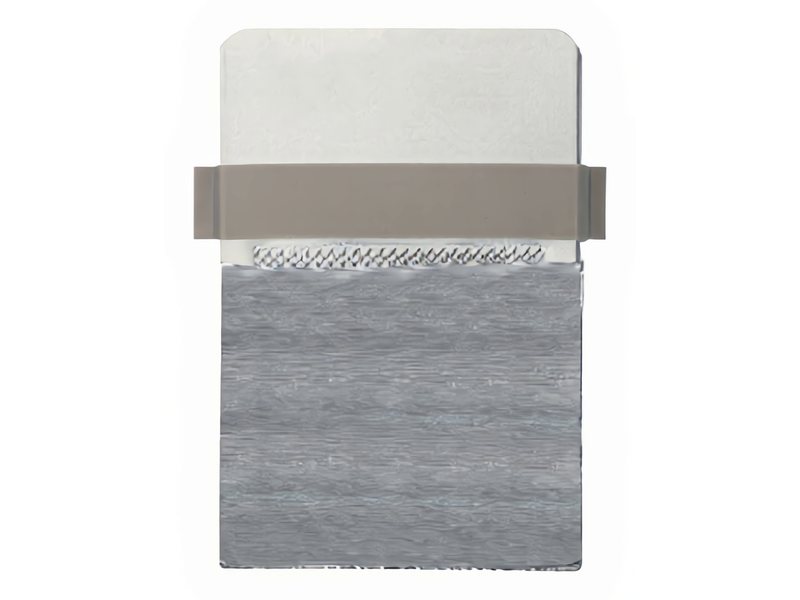
Battery tabs
Solid-state bonding of multilayer copper and aluminium foils to the tab. The base metal never melts, every layer bonds, and the joint stays low in contact resistance with no spatter or loose particles.
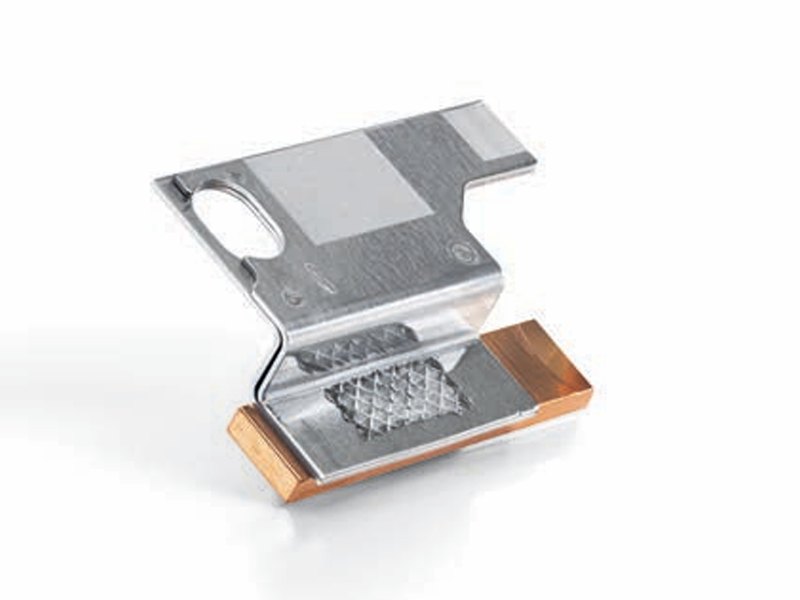
Module busbars
Cell connector lapped onto the busbar. Aluminium bonds straight to copper; the knurl imprint sets the conductive area and keeps temperature rise under control over the pack life.
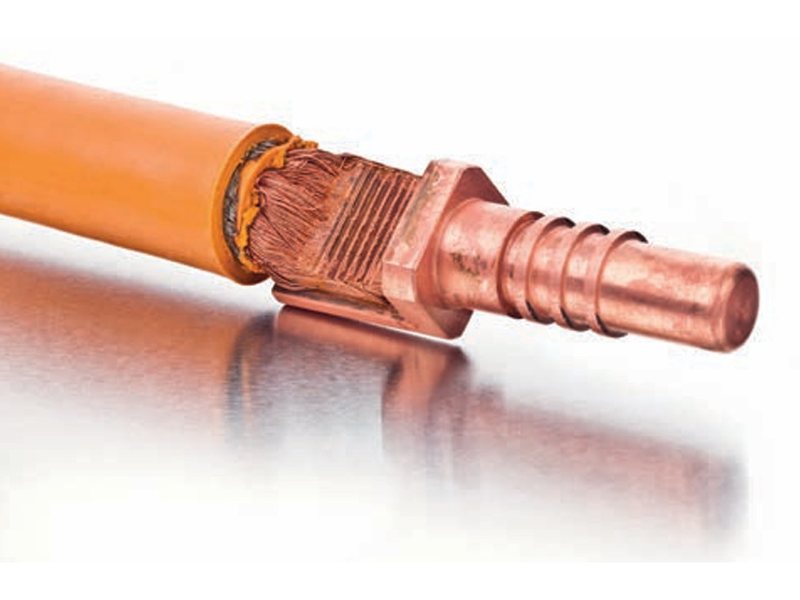
Charging gun and pile busbars
Solid-state welding of large-section copper terminals. No solder, no flux residue, and none of the contact-resistance drift that crimped joints show after thermal cycling.
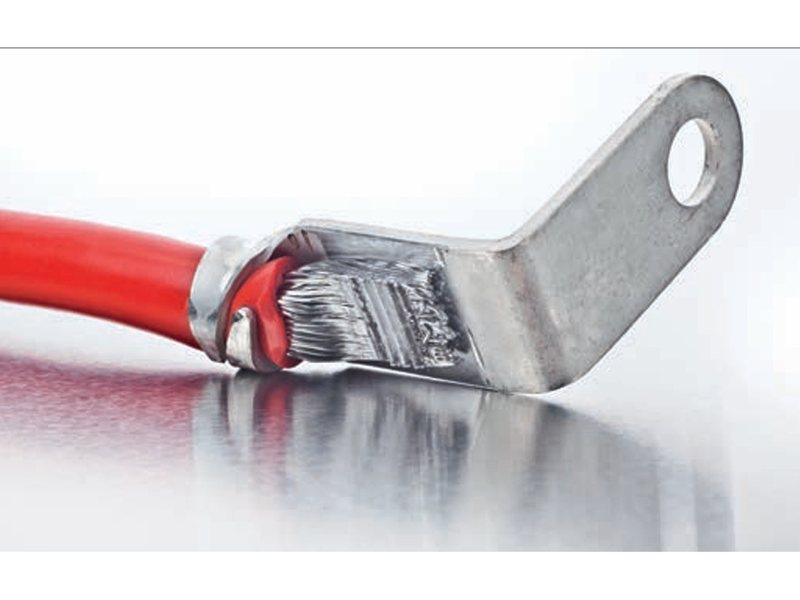
Harness terminals
Ultrasonic compaction of stranded copper into the terminal. The strands bond into a solid conductor, outperforming mechanical crimps under vibration and thermal cycling.
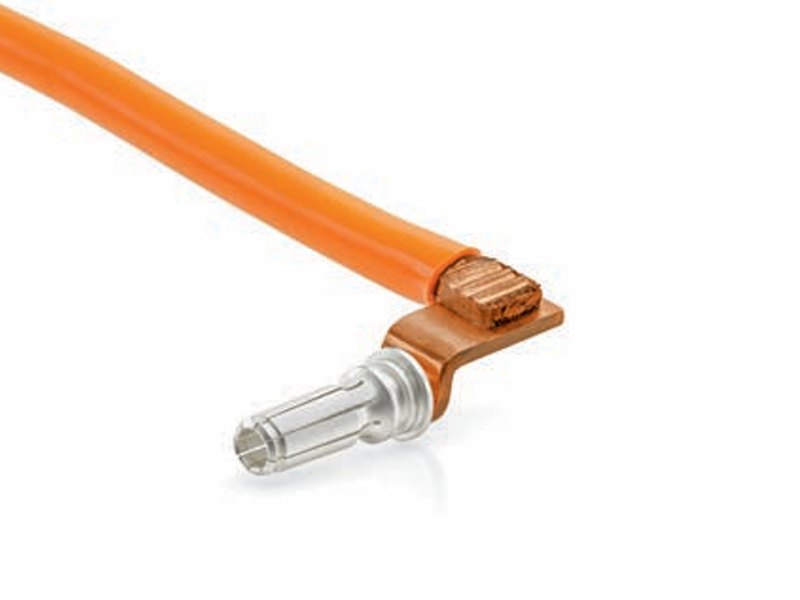
CCS2 charging inlets
Cable-to-contact welding inside the vehicle charging inlet. Thin terminal walls and tight packaging demand precise amplitude and collapse control — a sound weld without crushing the contact.
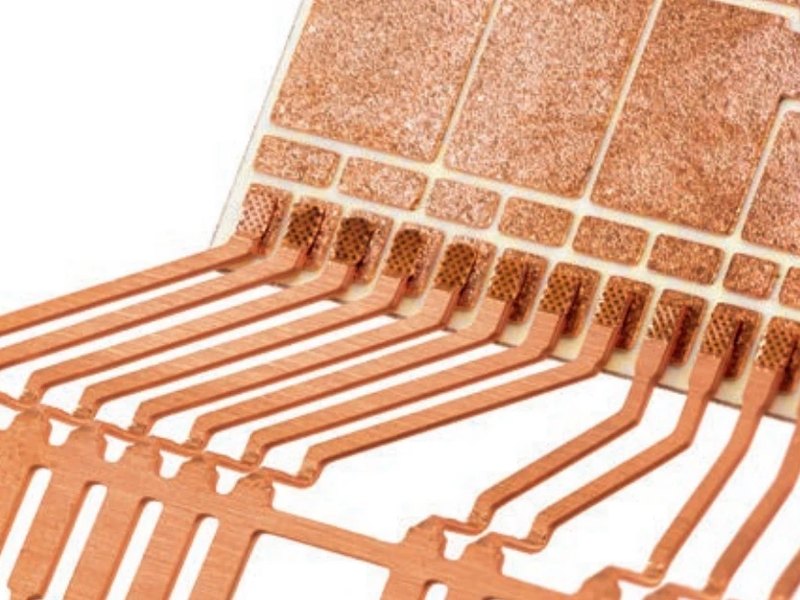
Power module terminals
Leadframe to DBC substrate, terminals to busbars. Heat input stays low enough to spare the dies and the ceramic substrate, while low contact resistance cuts conduction loss and temperature rise.
Why LINQISONIC
From joint design to line integration, we solve one thing: welds that hold and stay consistent
Constant amplitude digital control
Digital frequency tracking with constant amplitude output, so mains fluctuation and horn heating never shift the window — consistent melt depth on plastics, consistent weld area on metals.
Four closed-loop weld modes
Energy, time, relative and absolute distance. Visible parts use absolute distance for height, sealed parts use energy for strength, metals combine energy with collapse — and every part leaves a curve.
In-house horns and tooling
Plastic horns are FEM-simulated against the part, since amplitude uniformity decides whether a large lens welds through in one shot. Metal horns and anvils carry knurl patterns cut for the material and thickness — the pattern sets weld area and pull strength.
Semi-crystalline and filled materials
PA, PA+GF and PP+GF use a shear joint rather than an energy director, together with higher amplitude, rigid fixturing and near-field welding to secure melt depth.
Non-ferrous and dissimilar metals
Copper, aluminium, nickel and their combinations. Solid-state bonding holds the interface at one third to one half of the base metal absolute melting point, strongly suppressing the brittle CuAl₂ and Cu₉Al₄ phases that fusion welding of Cu-Al always produces.
Line integration and process validation
From benchtop stations to rotary tables and robot cells, connected to PLC and MES with per-part data. Joint design and process window are proven on samples before the horn and fixture are fixed — so nothing surfaces after the mould is cut.
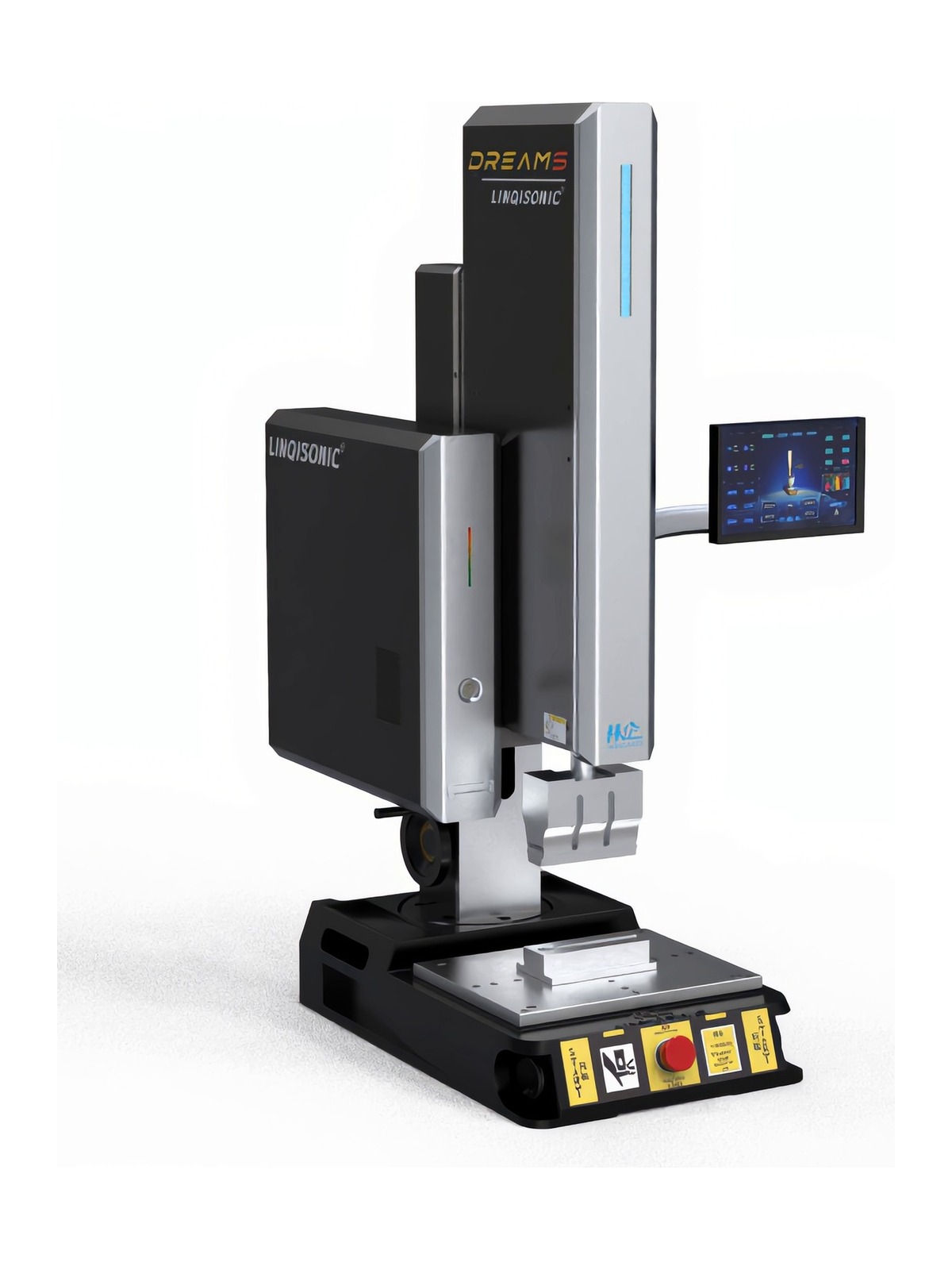
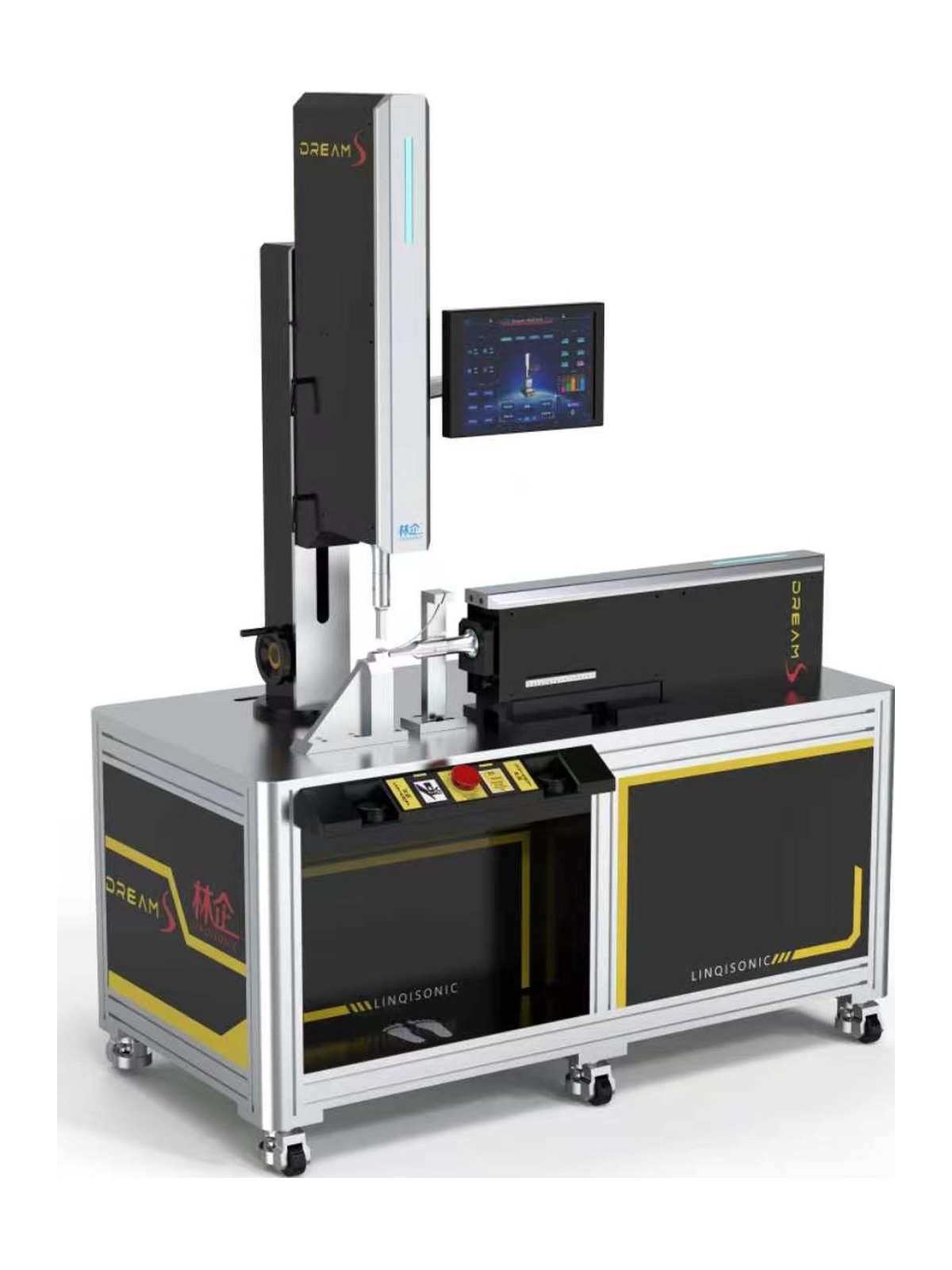
Ultrasonic Welding & Cutting for Automotive
Lamp lens sealing, bumper slot punching, underbody multi-head staking, and nonwoven trim cutting — with equipment selection and frequency reference.
- 6-page full edition with process photos
- Welding / staking / punching / insertion
- Equipment and tooling selection guide
PDF · 1.8 MB · 6P
Send us your part
Tell us the material, dimensions and cycle time. We reply with joint design, machine and fixture suggestions.
Direct contact